 0
 0
Vienna – The refrigerator is one of the most important appliances in any home. Consumers rely on it to keep food fresh for longer, preserve meat and fish until their expiration dates, prevent vegetables from spoiling quickly, and ensure dairy products remain safe to consume.
Proper food storage plays a key role in maintaining freshness. Modern refrigerators are designed with dedicated compartments for different types of food. Vegetables and salads stay crisp longer in specially designed produce drawers, while meat and fish should be stored on lower shelves where temperatures are typically coldest. Foods that require less cooling can be placed higher up. Although organizing a refrigerator correctly may seem complicated at first, experts say it quickly becomes second nature.
Temperature Is Critical
Food safety experts stress that even the best storage practices are ineffective if a refrigerator is not set to the correct temperature.
According to British microbiologist Oleksii Omelchenko, many household refrigerators operate at temperatures that are too high, creating conditions that encourage the growth of bacteria and other harmful microorganisms. The average refrigerator temperature in the United Kingdom is around 5.3 degrees Celsius, a figure that experts believe is likely similar in many other countries.
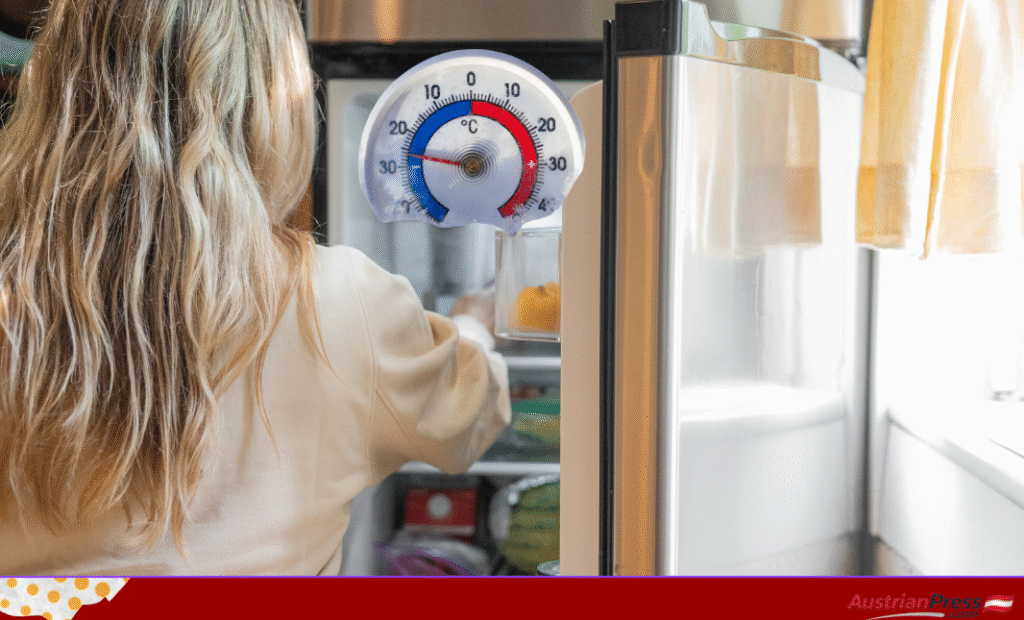
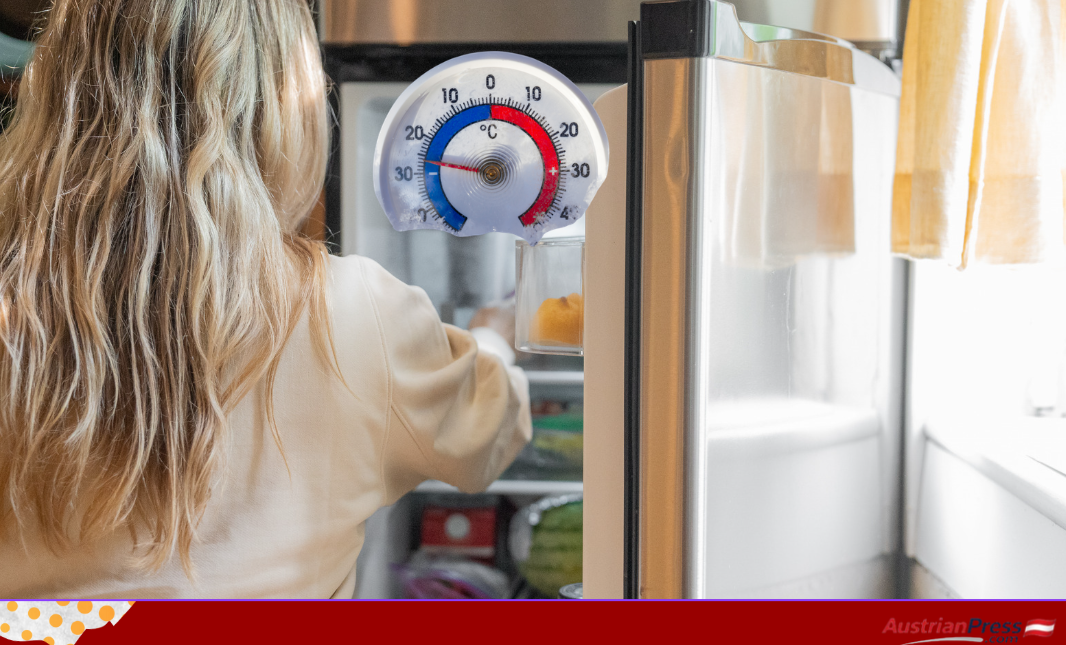
The recommended refrigerator temperature ranges from 0°C to 5°C, with many food safety specialists suggesting that around 4°C provides an ideal balance between food preservation and energy efficiency. To ensure accuracy, experts recommend investing in a reliable refrigerator thermometer rather than relying solely on built-in temperature indicators.
Frequent Door Opening Causes Fluctuations
Omelchenko also highlights another often-overlooked issue: temperature fluctuations.
Every time a refrigerator door is opened, warmer air enters the appliance, causing the internal temperature to rise. The longer the door remains open, the greater the increase. Repeated temperature changes can negatively affect food quality and may promote bacterial growth over time.
Simple Steps to Improve Food Safety
To maintain a consistently cold environment, experts recommend opening the refrigerator only when necessary and minimizing the amount of time the door remains open. Planning what food items are needed before opening the appliance can help reduce unnecessary temperature increases.
Regular maintenance is also important. Cleaning the door seals ensures they remain effective and prevents cold air from escaping. Damaged or dirty seals can force the refrigerator to work harder and make it more difficult to maintain safe temperatures.
Food safety specialists agree that keeping a refrigerator between 0°C and 5°C, organizing food correctly, and limiting temperature fluctuations are among the simplest ways to extend the shelf life of groceries and reduce the risk of foodborne illness. A small adjustment to refrigerator settings today could help keep food fresher, safer, and less likely to end up in the trash.
- source: oe24.at/picture: canva.com



This post has already been read 35 times!