 0
0
 0
0
A newly introduced EU border-control system triggered severe disruptions at Milan’s Linate Airport over the weekend, leaving dozens of passengers stranded and sparking criticism from travellers and airlines alike.
Since 10 April, all travellers from non‑EU countries — including British citizens — must register in the EU’s new Entry/Exit System (EES). The automated IT platform replaces manual passport stamping with biometric checks such as facial images and fingerprints. While the system aims to streamline border procedures in the long term, its rollout has been anything but smooth.
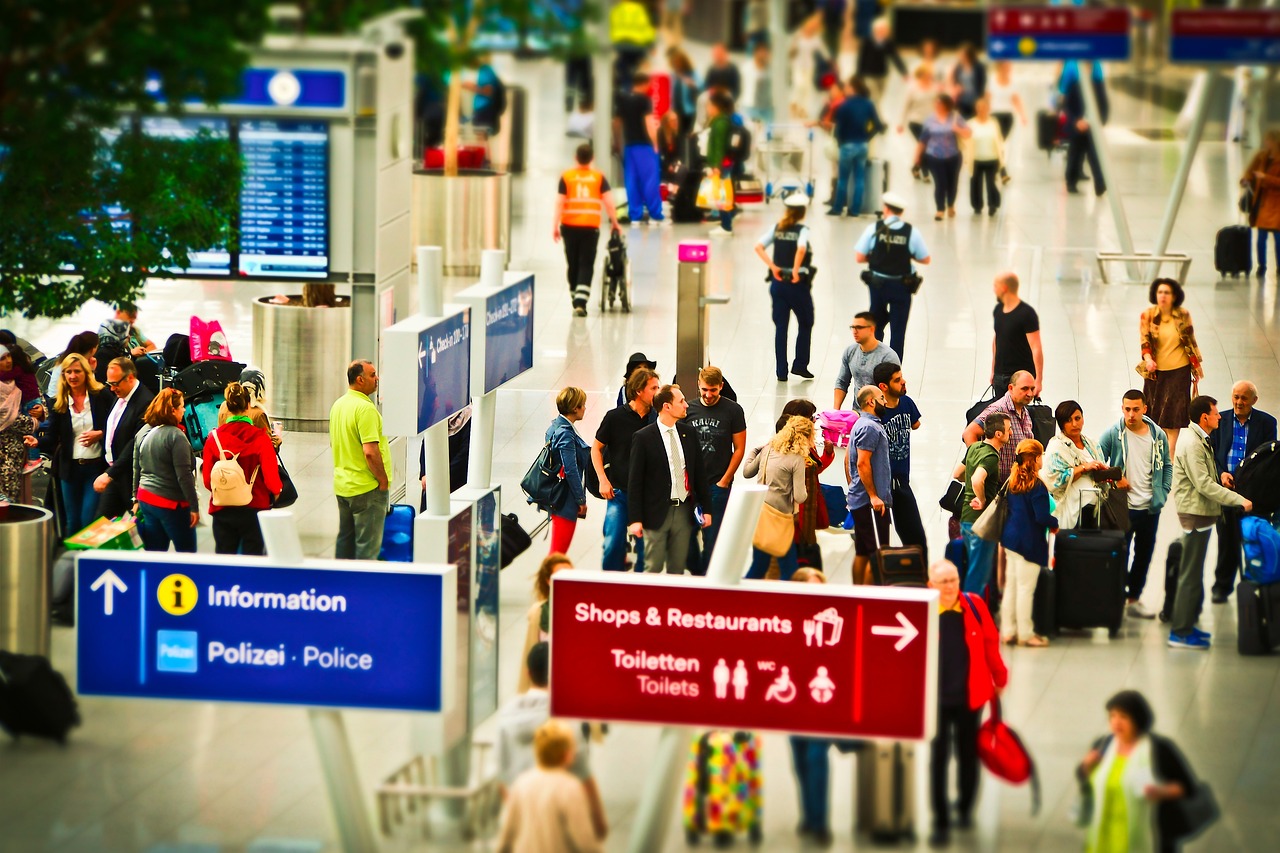
Passengers Left Behind as Queues Spiral Out of Control
According to the Daily Mail, around 100 passengers scheduled to fly with EasyJet from Milan to Manchester were unable to board because they were stuck in EES registration queues. The aircraft eventually departed with only about 30 passengers on board after waiting as long as operationally possible.
One of the stranded travellers, Vicky Chapman, told the Liverpool Echo that she and her family had arrived well ahead of time but were repeatedly blocked from reaching passport control.
“We were more than early enough at the airport and at the gate by 9:30 a.m., but we were completely denied access to passport control,” Chapman said.
Because they did not reach the gate in time, the family was marked as “no-shows,” despite the delays being caused by the new system.
‘A Complete Catastrophe’
Chapman described scenes of confusion and distress inside the terminal. She said passengers were shuffled from one checkpoint to another for three hours, with little guidance from airport staff.
“It was so hot in the airport that some people were vomiting and others were close to fainting,” she reported.
The family was told they would not be able to fly home until Tuesday, and only to London Gatwick. They were forced to book an Airbnb at their own expense.
Airline Says Passengers Were Warned
EasyJet told the Daily Mail that customers had been informed in advance about the new EES requirements and advised to allow extra time for border procedures. However, the scale of the delays appears to have exceeded expectations.
A System Years in the Making
The EES has been under development for several years. Although its full implementation began on 10 April 2026, the EU had already started a phased introduction in October 2025. The system is intended to enhance security and modernise border management across the Schengen Area.
But as the Milan incident shows, the transition is proving challenging — and travellers may face further turbulence as airports adapt to the new procedures.
- source: oe24.at/picture: pixabay.com



This post has already been read 13485 times!