 0
0
 0
0
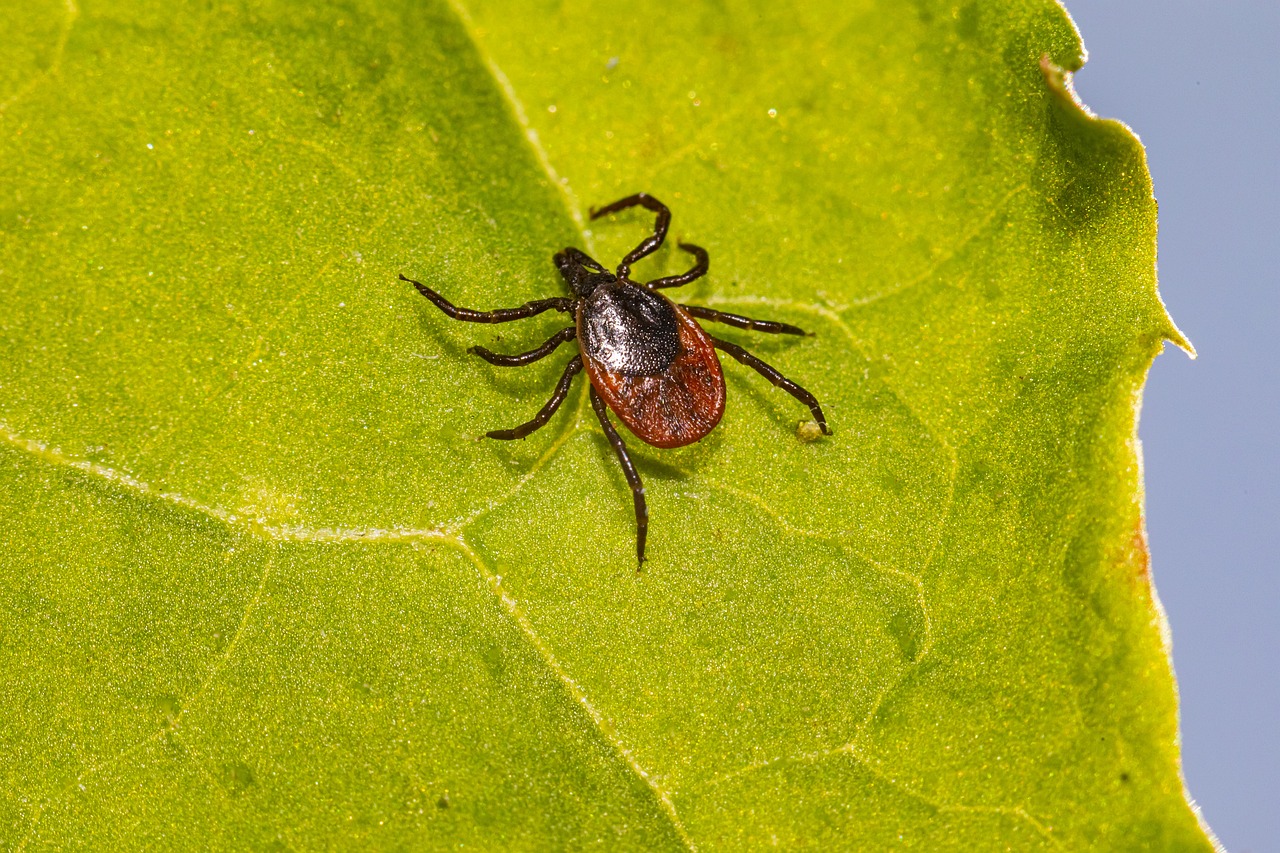
The Alongshan virus (ALSV) — a tick‑borne pathogen first identified in humans in China in 2017 — has now been detected in Austria for the first time, including in Vienna. Scientists at the Center for Virology at MedUni Vienna report that the virus has likely been present in Central Europe for at least 20 years, based on new genetic analyses of tick samples.
Widespread Presence Across Austria
For the study, published in The Lancet Microbe, researchers analyzed:
- 3,000 Austrian ticks collected in 2024
- 2,000 archived tick samples from 2005–2018
- 2,000 patient blood samples
According to study lead Judith Aberle, ALSV was found in ticks from Vienna, Upper Austria, Lower Austria, Styria, and Vorarlberg, indicating a broad geographic spread.
Rare Human Infections — But Evidence They Occur
No active infections were detected in the patient samples. However, two individuals showed high levels of ALSV‑specific antibodies, meaning they had been infected at some point.
Aberle notes that infections appear rare, and it remains unclear whether the European variants of ALSV cause illness in humans. The strain originally described in China was linked to fever and symptoms resembling tick‑borne encephalitis (TBE/FSME).
ALSV Also Found Elsewhere in Europe
Evidence of the virus has also emerged in:
- Germany
- Finland
- France
- Switzerland
MedUni Vienna emphasizes that tick‑borne viruses are increasing globally, posing a growing public‑health challenge. Known pathogens such as TBE virus or Crimean‑Congo hemorrhagic fever virus already cause tens of thousands of infections annually.
FSME Vaccination Gaps and Rising Hospitalizations
While ALSV’s health impact remains uncertain, Austria faces a more immediate issue: declining vaccination rates against FSME (tick‑borne encephalitis).
According to the Austrian Vaccine Manufacturers Association (ÖVIH):
- Many Austrians are not following the recommended FSME vaccination schedule
- Coverage is lowest in Vorarlberg and Tyrol
- Children and adolescents are currently the least protected
At the same time, FSME hospitalizations have been rising for several years. People over 50 — especially over 60 — are more likely to develop severe disease, including:
- Meningitis
- Encephalitis
- Myelitis
About one‑third of patients experience long‑term complications after infection.
- source: vienna.at/picture: pixabay.com



This post has already been read 22945 times!