 0
0
 0
0
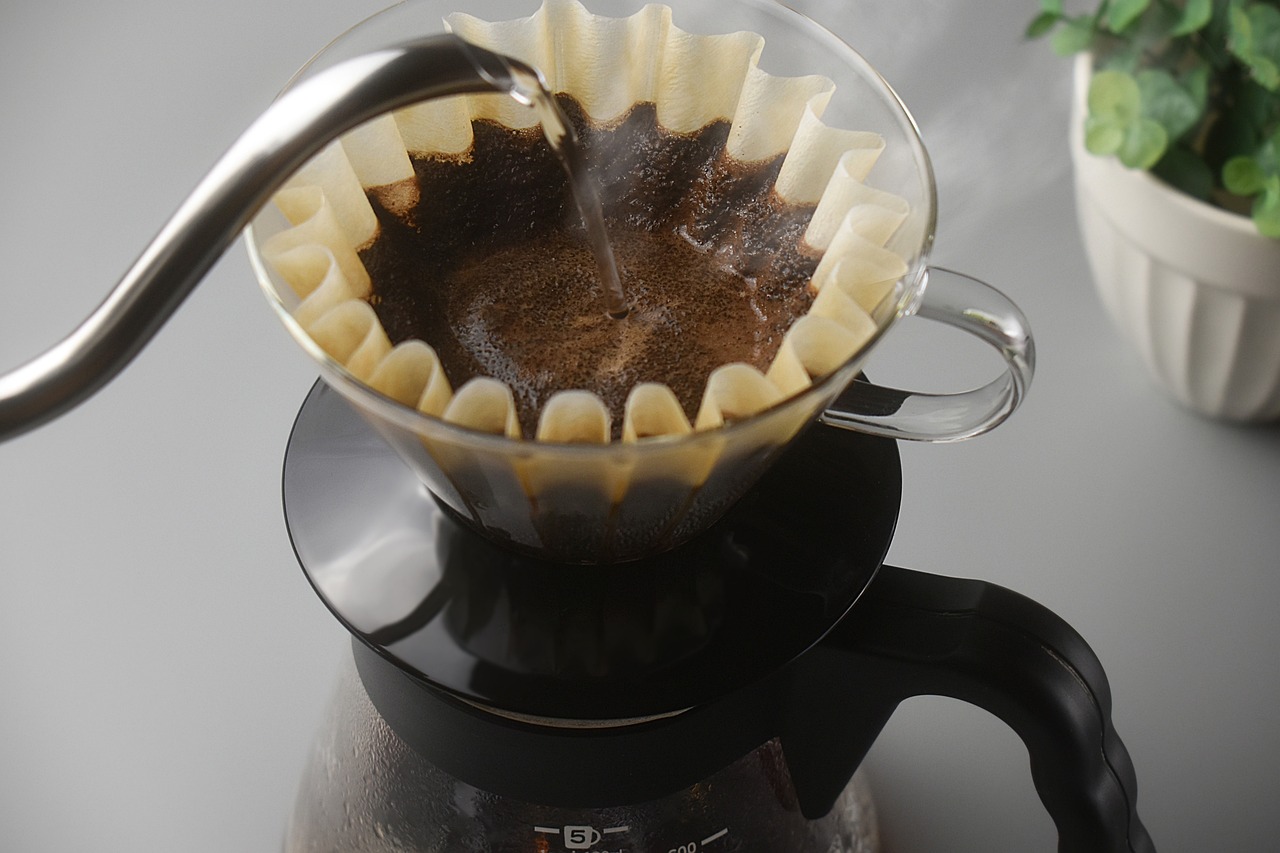
Filter coffee is linked to slower biological aging, while instant coffee shows the opposite pattern—though the effect is small. A new analysis of nearly 50,000 people suggests that how you brew your coffee may matter more than you think.
A Daily Habit Under the Microscope
Coffee is a ritual, a comfort, a morning anchor. But could your choice between filter coffee and instant coffee subtly influence how your body ages?
A large-scale evaluation from the UK Biobank—published in npj Science of Food—suggests that the brewing method may indeed play a role in biological aging. The researchers compared several coffee types and found one clear pattern: filter coffee consistently aligned with healthier aging markers, while instant coffee leaned in the opposite direction.
What the Researchers Found
The team examined how different coffee preparations relate to biological aging, using three established biomarkers that reflect cellular and systemic aging processes.
Their standout findings:
- Filter coffee was associated with biomarkers indicating slower biological aging.
- Instant coffee showed a slight association with accelerated aging.
- Other coffee types had no statistically significant relationship with aging markers.
The difference wasn’t dramatic—but it was consistent.
Inside the Study: Who Was Analyzed?
The researchers evaluated data from 49,414 UK Biobank participants:
- Average age: 56.4 years
- Women: 44.3%
- Participants reported their usual coffee type and daily consumption
These self-reported habits were then compared with biological aging markers, while adjusting for:
- Age
- Sex
- Smoking
- Alcohol use
- Physical activity
- BMI
- Milk, sugar, sweeteners
- Total calorie intake
This allowed the team to isolate the relationship between coffee type and aging as cleanly as possible.
The Dose–Response Pattern
One of the most striking findings: the more instant coffee people drank, the stronger the signs of accelerated aging. The effect was small but measurable.
Filter coffee showed the opposite trend: Higher consumption correlated with more favorable aging markers.
And the difference wasn’t just statistical—it showed up in telomere length, a widely used indicator of cellular aging:
- Filter coffee → longer telomeres
- Instant coffee → shorter telomeres
Shorter telomeres are associated with faster biological aging.
Why Might This Be Happening?
Additional analyses pointed toward inflammation and metabolic processes as possible pathways.
Three markers stood out:
- GlycA — an inflammation marker
- Cystatin C — a kidney function marker
- Basal metabolic rate
These explained part of the relationship, suggesting that filter coffee may support healthier metabolic and inflammatory profiles, while instant coffee may do the opposite.
Strengths and Weaknesses of the Study
Strengths:
- Very large sample size
- Multiple validated biomarkers
- Extensive adjustment for lifestyle factors
- Robust sensitivity analyses (excluding participants with major diseases)
Limitations:
- Observational design → cannot prove causation
- Coffee habits were self-reported
- Unmeasured factors may still play a role
- Mostly European participants → limited generalizability
Still, the consistency across biomarkers and analyses makes the findings compelling.
So… Should You Switch to Filter Coffee?
The study doesn’t claim that instant coffee is harmful or that filter coffee is a magic anti-aging elixir. But it does suggest that brewing method matters, and that filter coffee may offer measurable advantages for biological aging.
Instant coffee’s negative association was small. Filter coffee’s positive association was stronger.
- source: fitbook.de/picture: pixabay.com



This post has already been read 2024 times!