 0
0
 0
0
Fish has long been celebrated as one of the healthiest foods on our plates — but is it really as beneficial as we once believed?
For decades, fish enjoyed an almost untouchable reputation as a nutritional superstar. Rich in omega‑3 fatty acids, high‑quality protein, vitamin D, iodine, and selenium, it was the go‑to recommendation for anyone seeking a heart‑healthy, brain‑boosting diet. Nutritionists praised it, doctors endorsed it, and public‑health campaigns encouraged people to eat it at least twice a week.
But in recent years, a more complicated picture has emerged. Concerns about mercury, microplastics, dioxins, and other environmental contaminants have prompted health authorities — especially in Europe — to issue more cautious guidelines. Pregnant and breastfeeding women, in particular, are now advised to limit certain types of fish.
So where does that leave the rest of us? Is fish still the health hero we believed it to be, or has its shine faded?
The Nutritional Powerhouse: Why Fish Became a Health Icon
Fish earned its reputation for good reason. Its benefits are well‑documented and scientifically robust.
- Omega‑3 fatty acids — especially EPA and DHA — support heart health, reduce inflammation, and are essential for brain development.
- Lean protein helps maintain muscle mass and keeps you full longer.
- Vitamin D is crucial for bone health and immune function.
- Iodine supports thyroid function.
- Selenium acts as an antioxidant.
Studies consistently show that people who eat fish regularly have a lower risk of cardiovascular disease, and populations with high fish consumption — such as in Japan or Iceland — often enjoy longer life expectancy.
The Other Side: Contaminants in Our Seas and on Our Plates
As oceans and waterways become more polluted, fish absorb substances that can be harmful to humans. The most concerning include:
- Mercury — especially in large predatory fish like tuna, swordfish, and shark.
- Dioxins and PCBs, industrial pollutants that accumulate in fatty fish.
- Microplastics — tiny plastic particles now found in many marine species.
- Antibiotic residues in some intensively farmed fish.
These contaminants can affect the nervous system, hormone balance, and — in the case of mercury — fetal brain development. That is why European health agencies now recommend that pregnant and breastfeeding women limit high‑mercury fish and vary their seafood choices.
Why Pregnant and Breastfeeding Women Are Advised to Be Cautious
Developing brains are especially sensitive to mercury. Even small amounts can affect cognitive development, which is why health authorities advise:
- Avoiding high‑mercury fish (tuna steaks, swordfish, king mackerel).
- Choosing low‑mercury options like salmon, sardines, trout, and herring.
- Limiting consumption to 1–2 portions per week.
This does not mean fish is “bad” — it means the type and amount matter, especially during pregnancy.
Wild vs. Farmed: Does It Make a Difference?
The debate over wild‑caught versus farmed fish is complex.
- Wild fish often have fewer antibiotics but may contain more environmental pollutants depending on the region.
- Farmed fish can be more controlled in terms of feed and contaminants but may involve antibiotics or crowded conditions.
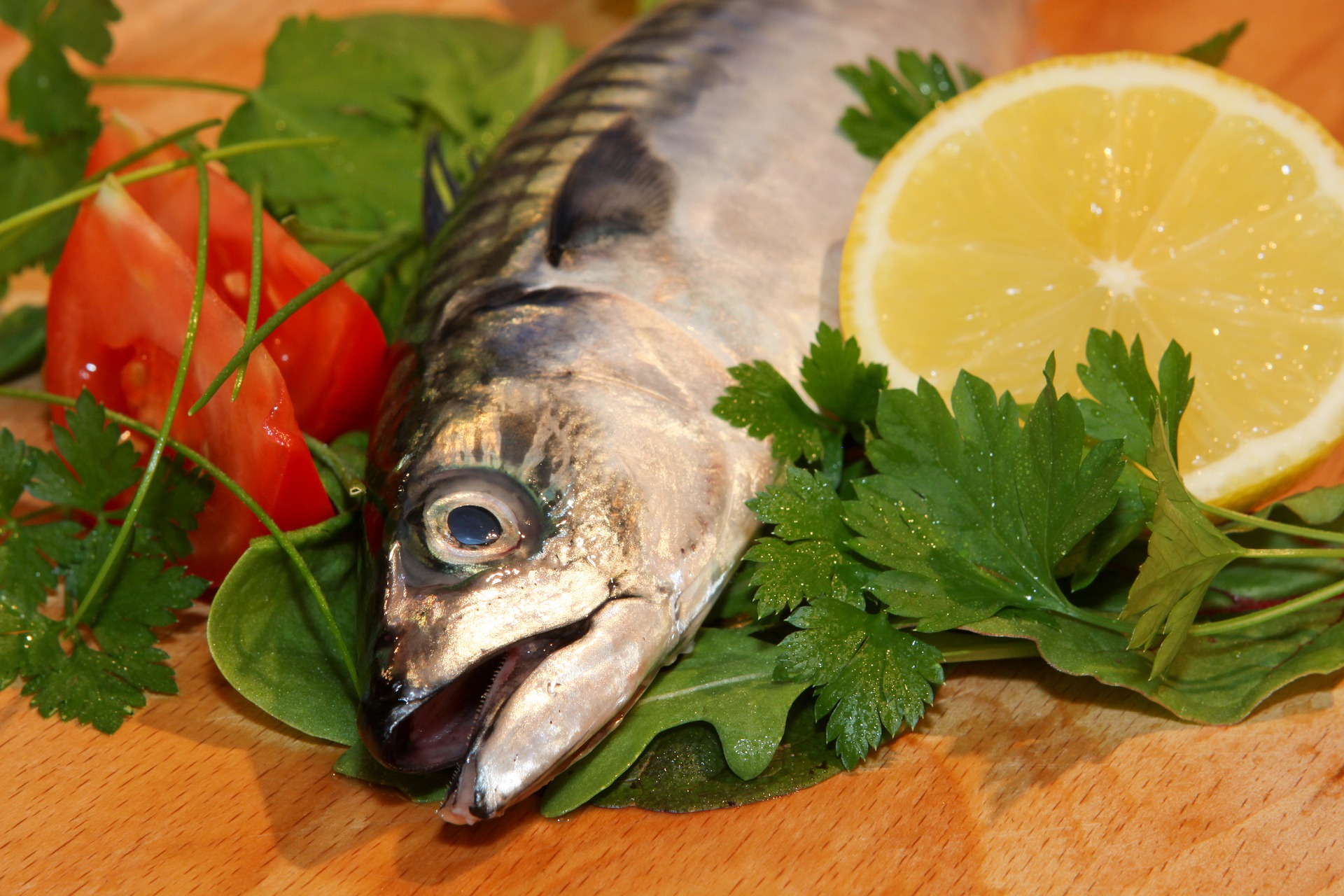
The healthiest choices tend to be small, oily fish — such as sardines, anchovies, and mackerel — which accumulate fewer toxins and are naturally rich in omega‑3s.
So… Should We Still Eat Fish?
The short answer: Yes — but mindfully.
For most people, the benefits of eating fish still outweigh the risks, especially when choosing low‑mercury, sustainably sourced varieties. Fish remains one of the best natural sources of omega‑3s, and its role in heart and brain health is well‑established.
But the era of “eat any fish, anytime” is over. Today, informed choices matter more than ever.
A Practical Guide: The Healthiest Fish to Eat
- Salmon — high omega‑3, low mercury
- Sardines — nutrient‑dense, sustainable
- Trout — low contaminants
- Herring — excellent omega‑3 source
- Anchovies — small, low‑mercury fish
The Bottom Line
Fish is neither the flawless superfood it was once believed to be, nor a toxic danger to avoid. It sits somewhere in between — a nutrient‑rich food that requires smart, informed consumption.
Eat fish, but choose wisely. Favor smaller species. Vary your options. Pay attention to guidelines if you are pregnant or breastfeeding. And remember: the health of our oceans ultimately shapes the health of our food.
- Hector Pascua with reports from starinsider.com/picture: pixabay.com



This post has already been read 10859 times!