 0
0
 0
0
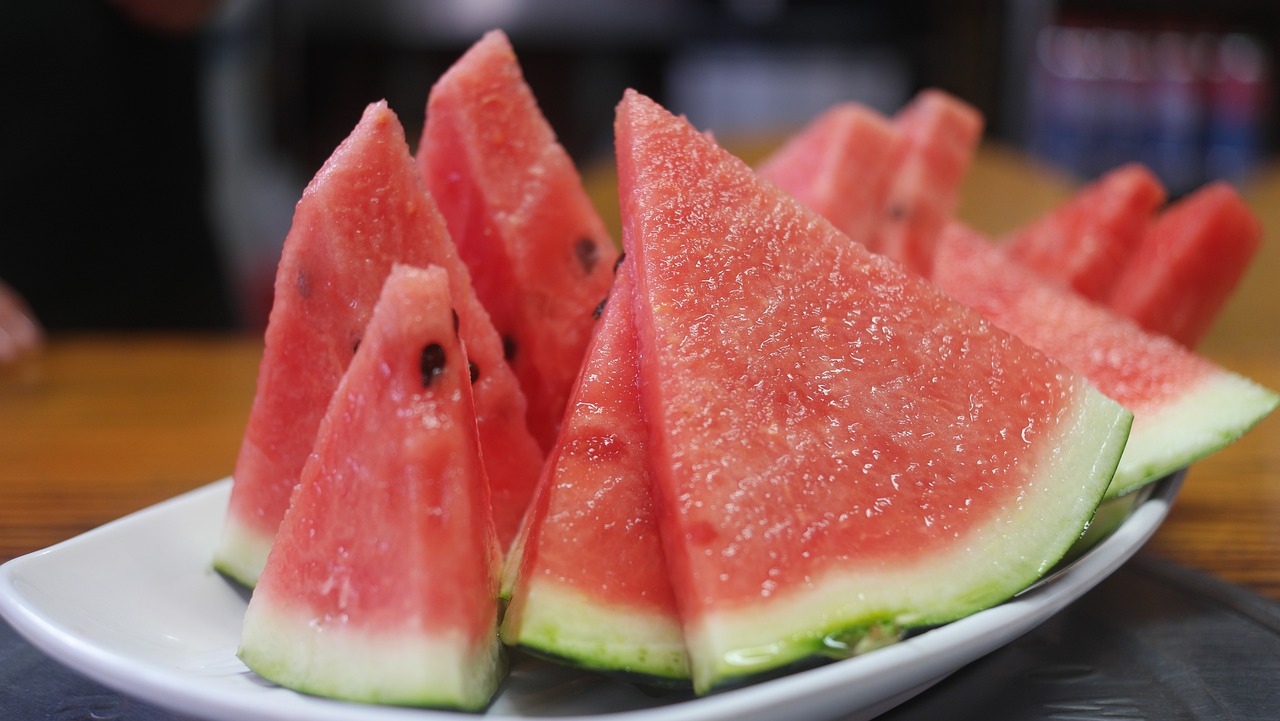
Watermelon is one of the defining flavors of summer, but while the juicy red flesh disappears quickly, the small black seeds often end up in the trash. That habit may soon change. Nutrition experts say watermelon seeds are not only edible but surprisingly nutrient‑dense — and increasingly popular as a snack, topping, and protein booster across Europe.
A Forgotten Source of Nutrients
Watermelon seeds contain proteins, magnesium, vitamins, and unsaturated fatty acids — nutrients many people struggle to get enough of. Their mild, nutty flavor resembles pumpkin seeds, which makes sense: watermelons belong to the same botanical family.
The long‑held childhood myth that swallowed seeds grow into melons is just that — a myth. Seeds can be eaten safely, but they should be chewed thoroughly so the body can absorb their nutrients. If swallowed whole, they usually pass through the digestive system unchanged.
A Delicacy in Many Countries
In parts of Asia, Africa, and the Middle East, watermelon seeds are considered a delicacy. Some regions even cultivate melon varieties that produce extra‑large seeds specifically for roasting. In Austria and Germany, dried watermelon seeds have begun appearing in specialty food shops and fine‑food stores.
From Seed to Snack: Easy Ways to Use Them
Once removed from the fruit, the seeds can be dried and roasted with olive oil and salt — either in a pan or in the oven. The result is a crunchy snack that works well on its own or as a topping for salads and soups.
- Roasted seed topping — adds crunch to salads and creamy soups
- Breakfast add‑ins — perfect for muesli, yogurt, or fruit bowls
- Sweet variations — caramelized seeds make a decorative and crunchy finish for cakes or puddings
A Natural Protein Boost
Dried watermelon seeds can also be ground into a fine powder. With around 29 grams of protein per 100 grams, the flour is a potent natural supplement for smoothies and shakes. Bakers are experimenting with the ground seeds as an alternative to pumpkin or sunflower seeds, adding extra bite and nutritional value to homemade bread.
A Small Seed With Big Potential
As consumers look for sustainable, nutrient‑rich foods, watermelon seeds are gaining attention as a zero‑waste superfood. What was once discarded without a second thought is now becoming a versatile ingredient — one that fits neatly into Europe’s growing appetite for healthy, plant‑based snacks.
- source: heute.at/picture: pixabay.com



This post has already been read 2214 times!