 0
0
 0
0
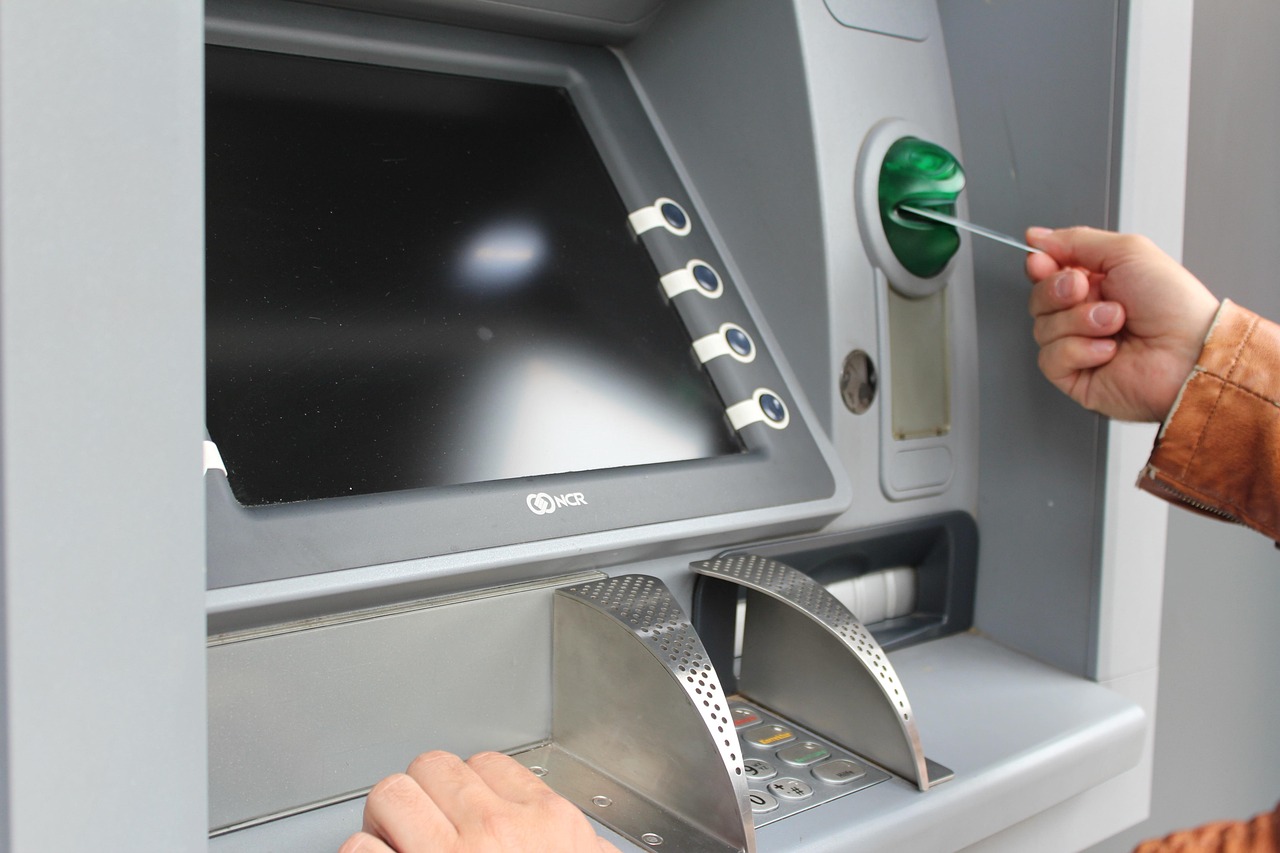
A routine trip to the ATM can carry an unexpected security risk. Many users insert their card, withdraw cash, take their receipt and walk away — assuming the transaction is finished. But consumer protection groups warn that in some cases the session may still be active even after the card has been removed. Criminals know this and exploit the vulnerability. Pressing one specific button before leaving can make all the difference.
An open ATM session: a hidden invitation for fraud
According to reports from infranken.de and warnings issued by the North Rhine-Westphalia police, an incomplete session can allow criminals to perform additional inputs, access previously entered data or exploit card information left in the system. The risk increases abroad, at low‑traffic machines or at devices that have longer idle times.
Fraudsters often rely on users being in a hurry, distracted or unaware that the machine may still be “logged in” after dispensing cash.
General warnings: Skimming and manipulation
Police forces across Germany continue to warn about skimming — the illegal copying of card data — and other forms of ATM manipulation. The core advice remains consistent: shield your PIN, stay alert and avoid suspicious machines.
Banks such as Sparkasse also provide guidance on spotting tampered devices: loose or bulky keypads, unusual attachments on the card slot, traces of glue or mismatched colours on the machine’s surface.
The crucial step: Always press “Cancel”
Before stepping away from the ATM, press the Cancel button — even if the machine appears to have completed the transaction. This manual termination ensures the session is fully closed and prevents anyone from interacting with the machine under your credentials.
Additional safety measures at the ATM
- Shield your PIN — Use your hand, body or clothing to block the keypad. Cameras or nearby individuals could otherwise observe your input.
- Check for manipulation — Inspect the card reader and keypad. If anything looks loose, bulky, glued or unusual, choose another machine.
- Use secure locations — ATMs inside bank branches, shopping centres or monitored areas are safer than isolated machines.
- Monitor your transactions — Regularly check your account activity. Report suspicious movements to your bank immediately.
A simple habit that prevents major damage
Pressing “Cancel” takes a second — but it can shut down a potential attack vector that criminals actively exploit. As ATM manipulation continues to evolve, small protective routines remain one of the most effective defences.
- source: wmn.de/picture: pixabay.com



This post has already been read 7235 times!