0
 0
As the days grow shorter and frosty mornings become the norm, our kitchens naturally shift toward hearty meals and comforting seasonal ingredients. November may mark the arrival of colder weather, but it also brings a rich variety of locally grown produce. Shopping seasonally not only means fresher flavors on your plate, it also supports local farmers and reduces the environmental impact of your food choices.
Here’s a look at the fruits and vegetables that are at their best in November, and the foods you may want to leave off your shopping list for now.
Root Vegetables Take Center Stage
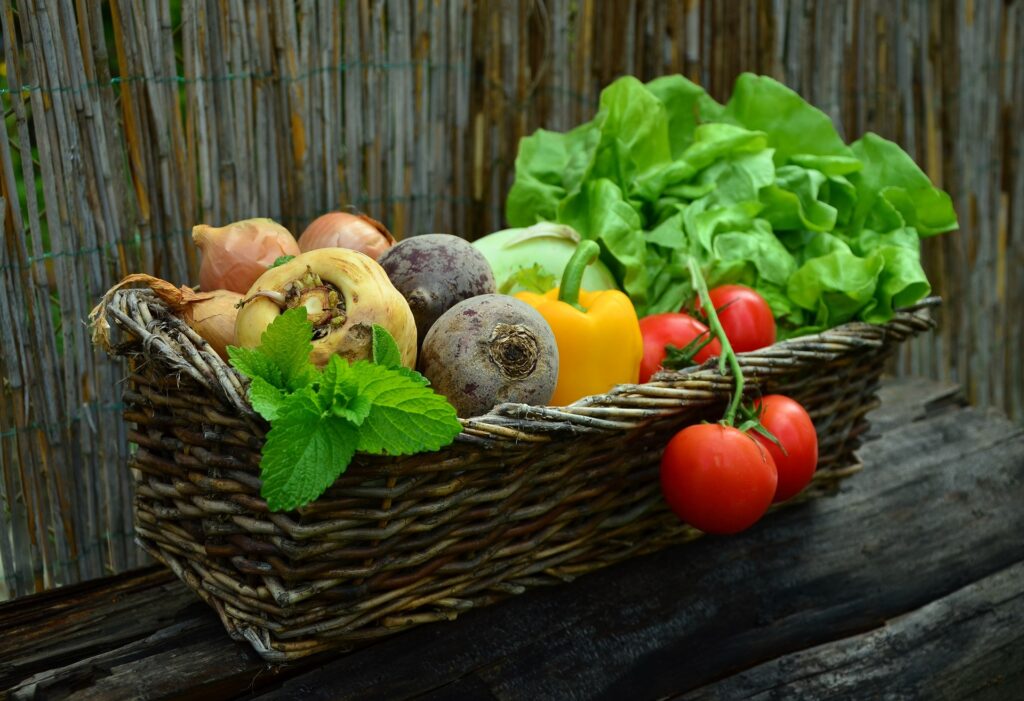
November is peak season for root vegetables. Packed with fiber, filling nutrients, and earthy flavors, they form the foundation of many warming autumn and winter dishes.
Parsnips and Jerusalem Artichokes
These underground treasures are the stars of roasted vegetable dishes. Parsnips offer a naturally sweet, nutty flavor that becomes even richer when roasted, while Jerusalem artichokes provide a lighter alternative to potatoes with a delicate, slightly nutty taste.
Beetroot
Few vegetables can match beetroot’s versatility and nutritional value. Rich in vitamins, minerals, and antioxidants, it shines in everything from vibrant carpaccio and roasted side dishes to hearty stews and soups.
Black Salsify
Often referred to as the “winter asparagus,” black salsify requires a little extra effort when peeling, but rewards cooks with a uniquely delicate and slightly sweet flavor. It’s an underrated seasonal gem worth discovering.
Pumpkin Season Isn’t Over Yet
While many associate pumpkins with October, they remain firmly in season throughout November. Loaded with vitamins, minerals, and immune-supporting nutrients, pumpkins are the perfect ingredient for the colder months. Whether blended into soups, roasted as a side dish, or incorporated into risottos and curries, they bring both flavor and nourishment to the table.
Cabbage: The Ultimate Winter Superfood
When prepared properly, cabbage can be one of the most delicious and nutritious vegetables of the season. It’s also packed with nutrients that help support overall health during cold and flu season.
Kale
The undisputed king of winter vegetables, kale contains impressive amounts of vitamin C and other essential nutrients. It works equally well in traditional dishes, baked into crispy chips, or blended into smoothies.
Brussels Sprouts, Savoy Cabbage and Red Cabbage
These seasonal favorites can easily win over even skeptical eaters. Roasted or pan-fried with ingredients such as walnuts, maple syrup, or crispy bacon, they become rich, flavorful side dishes perfect for colder weather.
Winter Salads Bring Freshness to the Season
Not all November produce is destined for the oven.
Lamb’s Lettuce
Known for its delicate texture and mild flavor, lamb’s lettuce is packed with vitamin C and provides a welcome burst of freshness during the darker months.
Chicory and Endive
These leafy vegetables are famous for their pleasant bitterness. Their natural bitter compounds can stimulate digestion and may help reduce cravings for sugary foods, making them a smart addition to autumn meals.
Seasonal Autumn Fruits
Apples and Pears
Stored local apples and pears are at their peak quality in November. Whether baked into pies, stirred into porridge, or enjoyed as a snack, they remain among the season’s most versatile fruits.
Quinces and Rose Hips
While neither fruit is particularly appealing when eaten raw, both offer exceptional flavor when transformed into jams, jellies, compotes, syrups, or warming herbal teas. Their aromatic character makes them ideal for chilly days.
Foods to Avoid in November
Seasonal eating isn’t only about knowing what to buy. It’s also about understanding which products are out of season and often come with a significant environmental footprint.
Berries and Stone Fruits
Strawberries, cherries, apricots, and peaches have no natural place in a European November harvest. To appear on supermarket shelves, they are often grown under energy-intensive conditions or transported long distances from warmer regions of the world.
The result is usually disappointing: higher prices, lower flavor quality, and a larger carbon footprint. A more sustainable alternative is to choose locally sourced frozen berries that were harvested during the summer season.
Tomatoes, Cucumbers and Summer Vegetables
Tomatoes, cucumbers, zucchini, and eggplants are no longer grown outdoors in most parts of Central Europe at this time of year. Fresh versions available in November are often imported or cultivated in heated greenhouses, both of which require considerably more energy.
One notable exception is canned tomatoes. Because they are harvested and processed at peak ripeness during summer, canned chopped or crushed tomatoes often deliver better flavor and sustainability than out-of-season fresh varieties.
November is a month that rewards those who embrace seasonal eating. Root vegetables, pumpkins, cabbage varieties, winter salads, apples, and pears all offer excellent flavor, nutritional benefits, and a smaller environmental footprint. By choosing what’s naturally in season and avoiding imported summer produce, consumers can enjoy fresher meals while supporting local agriculture and making more sustainable food choices.
- source: oe24.at/picture: pixabay.com



This post has already been read 11 times!