 1
1
 0
0
by Hector Pascua
Walk into almost any hospital or care facility in Vienna, and you will inevitably hear it: the soft, melodic cadence of Tagalog slipping through the corridors, woven seamlessly between interactions in fluent Austrian German. Step into the Votivkirche on a Sunday, and you will see a vibrant community whose faith and fellowship breathe life into the historic stone walls.
For over fifty years, Filipinos have been weaving themselves into the social fabric of Austria. Yet, their integration story is rarely the subject of fierce political debate or loud headlines. Instead, it is a story of quiet resilience, essential labor, and a remarkable balancing act between assimilation and cultural preservation.
How did a community from a tropical archipelago over 10,000 kilometers away become one of Austria’s most successfully integrated—yet arguably overlooked—minority groups?
The 1970s: A Foundation Built on Care
The story truly begins in the early 1970s, born out of necessity. Austria was facing a severe shortage of nursing staff, and the Philippines, with its highly trained medical workforce, provided the solution. The first waves of Filipino nurses arrived in Vienna to staff the city’s hospitals.
They stepped off planes into a freezing, unfamiliar climate, armed with professional dedication and a fierce commitment to support the families they left behind. They didn’t just fill a labor gap; they became the quiet backbone of the Austrian healthcare system—a legacy that continues today.
Bayanihan Meets Gemütlichkeit
The success of Filipino integration in Austria relies heavily on shared values. Austria is a nation that values social order, hard work, and a strong Catholic tradition. The Filipino diaspora arrived with parallel cultural pillars.
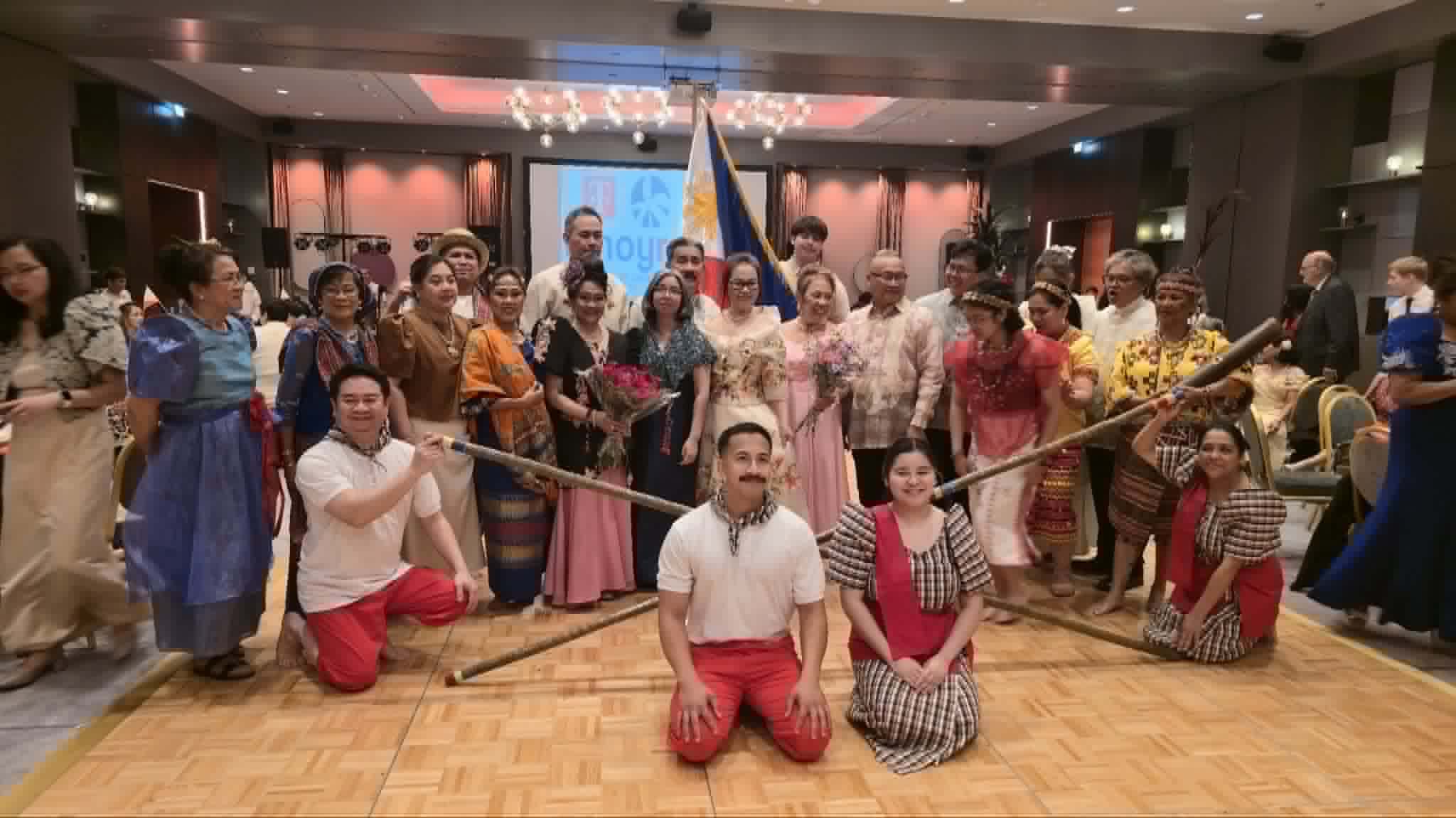
Their integration strategy hasn’t been about erasing their roots, but rather adapting them. The Filipino spirit of Bayanihan—a concept of communal unity and helping one another—translates remarkably well into building strong community networks in Austria. Through numerous cultural associations, basketball leagues, and church groups, Filipinos have created a safety net that helps newcomers navigate Austrian bureaucracy, learn the language, and find housing, smoothing the friction of immigration.
They are often termed a “model minority”—a label that is both a compliment to their work ethic and a veil that hides their struggles.
The Hidden Costs of Assimilation
However, framing their integration purely as a flawless success story does a disservice to the real challenges they face. The Filipino community’s tendency to keep their heads down and work hard often masks significant hurdles.
One of the most pressing issues is “deskilling.” It is not uncommon to find a Filipino immigrant with a bachelor’s degree in engineering or education working in Austria’s hospitality or domestic sectors because their home-country credentials are not recognized. Furthermore, the German language—particularly the dense Austrian dialects—remains a formidable barrier that can trap first-generation immigrants in social bubbles and limit their upward mobility.
A Dual Identity for the Next Generation
Today, the narrative is shifting as the second and third generations come of age. These are Austrians of Filipino descent who speak perfect Wienerisch, navigate the local education system with ease, and are just as likely to crave a Schnitzel as they are Sinigang.
This younger generation bridges the gap. They are more vocal, more likely to enter diverse fields like IT, arts, and politics, and less willing to accept the deskilling that their parents endured. They are redefining what it means to be Filipino-Austrian—not just as guest workers, but as permanent, vital stakeholders in Austria’s future.
The Invisible Made Visible
Integration is not a one-way street; it requires a host society willing to see and value its newcomers. For decades, the Filipino community has integrated by being useful, agreeable, and unobtrusive.
But true integration shouldn’t require invisibility. It is time for Austria to recognize this community not just as the hands that care for their sick and elderly, but as a rich, dynamic part of modern Austrian identity. They have learned the language, braved the winters, and cared for the nation. The Filipino diaspora hasn’t just integrated into Austrian society—they have fundamentally enriched it.
- watch out for the 2nd part – the second generation of Pinoys in Austria
- Author – Hector Pascua


This post has already been read 4783 times!