 0
0
 0
0
We spend an astonishing 26 years of our lives asleep. It’s a quiet, unconscious ritual we all share — yet how we sleep may say more about us than we think. Sleep researcher Professor Chris Idzikowski, Director of the Sleep Assessment and Advisory Service, explored this idea in a study published by the BBC. His findings suggest that our preferred sleeping position can reflect aspects of our health, stress levels, and even our personality traits.
The Six Most Common Sleeping Positions — and What They Suggest
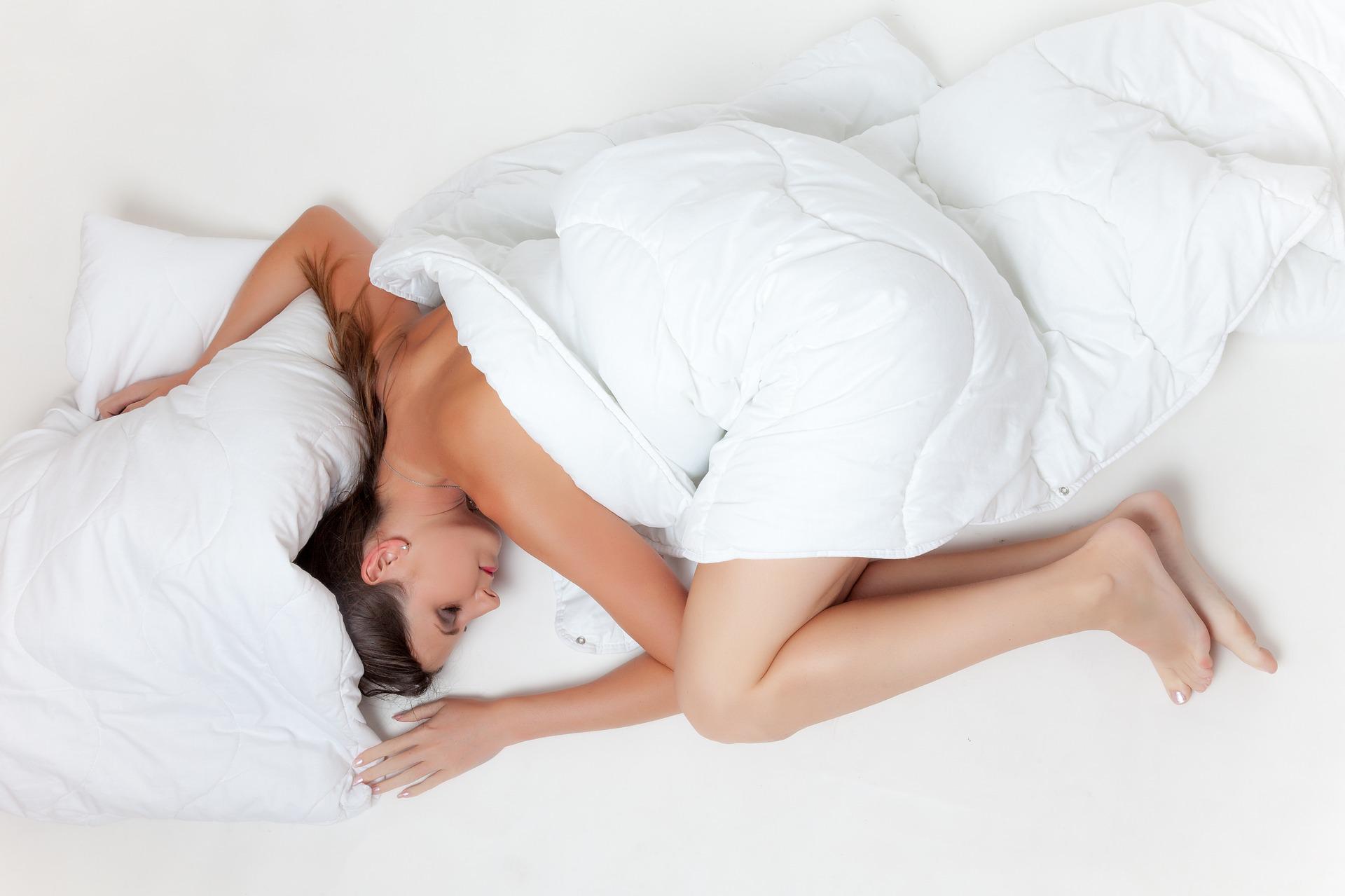
- The Foetus — Curled on the side, knees drawn up. People who sleep this way often appear tough on the outside but are sensitive at heart. They value comfort, security, and tend to be warm, loyal companions.
- The Log — Lying on the side, arms straight down. Log sleepers are typically social, easy-going, and trusting — sometimes too trusting. They enjoy being part of a group and adapt easily to new environments.
- The Yearner — Side-sleeping with arms stretched forward. These sleepers are open-minded yet cautious. Once they commit to a decision, they stick to it. They value clarity and dislike feeling rushed.
- The Soldier — Flat on the back, arms by the sides. Calm, reserved, and disciplined. Soldier sleepers often have high standards — for themselves and others — and prefer structure in their daily lives.
- The Freefall — On the stomach, hands near the pillow, head turned to the side. Outgoing and bold on the surface, but surprisingly sensitive to criticism. They prefer control and can feel uncomfortable in unpredictable situations.
- The Starfish — On the back, arms up near the head. Generous, supportive, and great listeners. Starfish sleepers often put others first and value deep, meaningful connections.
Why Sleep Positions Might Reflect Personality
Idzikowski’s research suggests that sleep positions are shaped by comfort, habit, and stress patterns — all of which relate to how we navigate the world when awake. For example:
- Side sleepers often seek emotional balance and stability.
- Back sleepers tend to be confident and structured.
- Stomach sleepers may crave control or predictability.
These aren’t rigid categories, of course. But they offer a playful, surprisingly insightful lens into how our bodies mirror our inner lives.
Health Implications You Shouldn’t Ignore
Your sleeping position doesn’t just reveal personality traits — it can influence your breathing, spine alignment, and digestion.
- Side sleeping can reduce snoring and improve digestion.
- Back sleeping supports spinal alignment but may worsen sleep apnea.
- Stomach sleeping can strain the neck and lower back.
If you’re curious about improving your sleep quality, exploring your position is a good place to start.
A Quiet Mirror of Who We Are
Sleep is one of the few moments when we’re completely unguarded. Our bodies relax into the shapes that feel most natural — and those shapes can reveal patterns of comfort, vulnerability, confidence, or openness.
Whether you curl up like a foetus or stretch out like a starfish, your sleeping position is a small, nightly portrait of your inner world.
- Hector Pascua/picture: pixabay.com



This post has already been read 9519 times!