 0
0
 0
0
A cold cup of coffee is a familiar frustration for many people. The quick solution is often to pop the mug into the microwave for a few seconds. But a persistent online myth claims that reheating coffee in the microwave makes it toxic. Experts say that is simply not true.
Microwave-Reheated Coffee Is Not Toxic
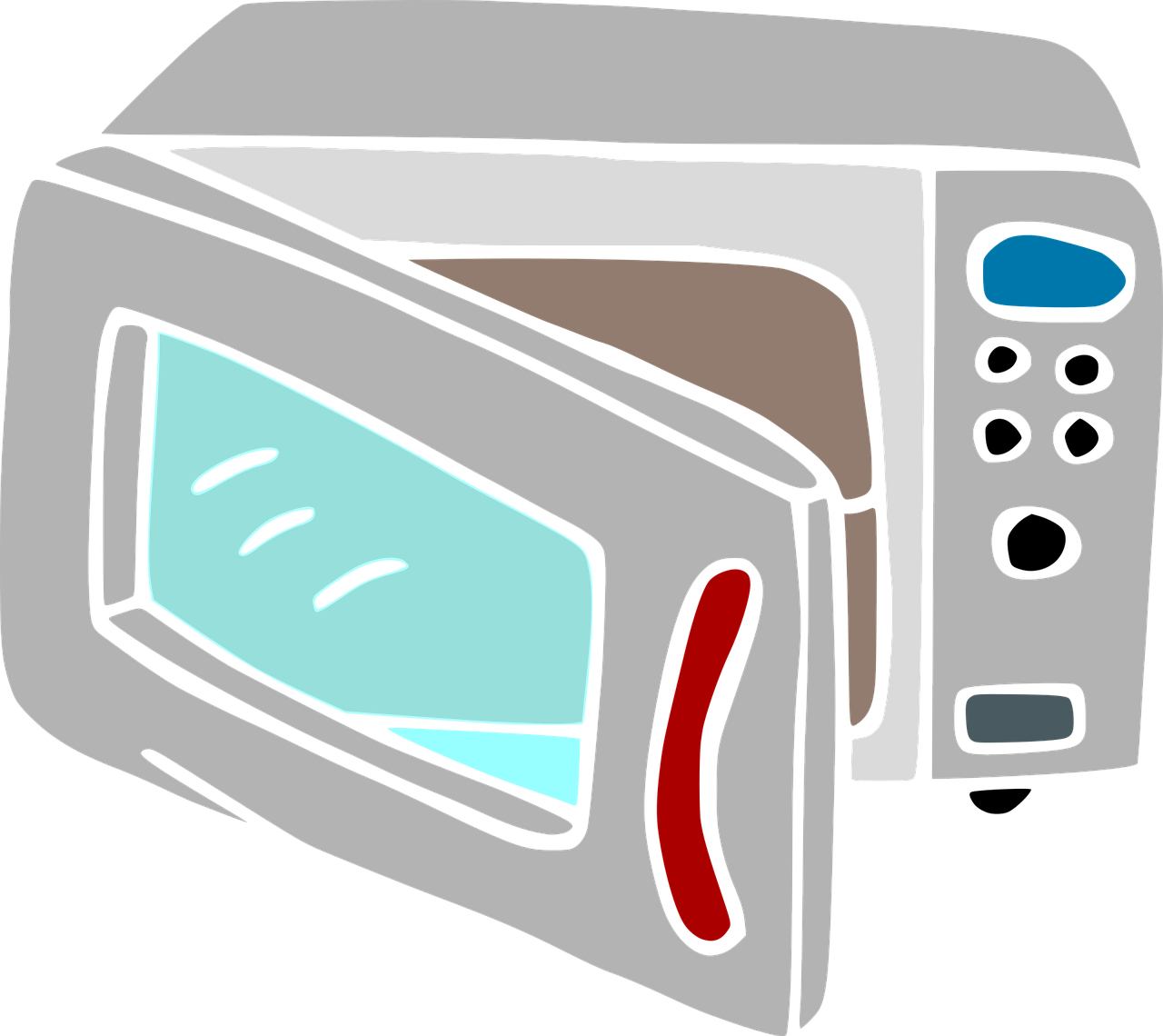
Reheating black coffee in a microwave does not make it poisonous or unsafe to drink. Microwave ovens work by heating water molecules contained in food and beverages. They do not make food radioactive, nor do they leave harmful radiation behind in a drink.
According to Germany’s Federal Office for Radiation Protection (BfS), properly functioning microwave ovens do not pose a health risk. While small amounts of so-called leakage radiation can occur around the door or viewing window, measurements show these levels remain far below established safety limits. The intensity of this radiation also decreases rapidly with distance from the appliance.
Claims that radiation escaping from an intact microwave can damage nerve endings or cause other health problems have not been scientifically proven. However, damaged microwave ovens should not be used, especially if the door does not close properly, seals are defective, or the housing shows visible damage.
Why Reheated Coffee Tastes Different
Although reheated coffee is safe, many people notice that it tastes worse after being warmed up again. The reason has nothing to do with toxins.
Freshly brewed coffee contains numerous volatile aromatic compounds that gradually dissipate into the air. At the same time, the beverage reacts with oxygen, altering its smell and flavor. The longer coffee sits, the further it drifts from its freshly brewed taste profile.
Factors such as the type of bean, roast level, brewing method, storage conditions and temperature all influence how quickly flavor deteriorates. Reheating can accelerate the loss of aromatic compounds and make certain acids seem more bitter or harsh.
As a result, warming coffee does not make it dangerous, but it can make it less enjoyable.
Is a Microwave Worse Than a Stovetop?
Not necessarily.
Coffee can also lose flavor when reheated on a stovetop, particularly if it is brought to a boil. Excessive heat can damage delicate aromas regardless of the reheating method used.
In fact, a microwave may offer an advantage for small quantities because it heats coffee quickly, reducing the amount of time the beverage is exposed to heat. Experts recommend avoiding prolonged heating at maximum power.
One potential drawback is uneven heating. Some parts of the drink may become considerably hotter than others. To reduce the risk of burns, coffee should be stirred thoroughly after heating and allowed to stand briefly before drinking.
Brewing Temperature Is Different From Drinking Temperature
Coffee brewing and coffee reheating are not the same process.
The Specialty Coffee Association recommends brewing coffee with water temperatures typically ranging between 92 and 96 degrees Celsius. These temperatures are intended for extracting flavor from ground coffee.
A finished cup of coffee does not need to be reheated to such temperatures. It only needs to reach a pleasant drinking temperature. Bringing it to a boil will not improve either flavor or shelf life.
Health experts also caution against consuming beverages that are excessively hot. The International Agency for Research on Cancer (IARC) has linked the regular consumption of drinks hotter than 65 degrees Celsius with an increased risk of oesophageal cancer. The concern relates to repeated thermal injury to the oesophagus rather than to coffee itself.
How to Reheat Black Coffee Properly
For the best results, experts recommend reheating coffee gently:
- Pour the coffee into a microwave-safe mug.
- Heat it at medium power for 20 to 30 seconds.
- Stir thoroughly.
- Carefully test the temperature.
- Reheat in additional short intervals if necessary.
- Let it stand briefly before taking the first sip.
Sealed containers should never be heated in a microwave. Liquids can become very hot and may suddenly erupt when moved or stirred. Users should also follow manufacturer instructions regarding metal spoons or other utensils inside the appliance.
Extra Caution for Coffee With Milk
The situation changes when milk is involved.
While black coffee is primarily a matter of taste and quality, milk-based beverages such as cappuccinos, lattes and milk coffee contain perishable ingredients. Food safety authorities recommend refrigerating or discarding perishable foods that have been left at room temperature for more than two hours. In temperatures above 32 degrees Celsius, that limit drops to one hour.
The same principle applies to coffee containing dairy milk and refrigerated plant-based alternatives. If a milk-based coffee has only been left out briefly, reheating it is generally acceptable. However, if it has been sitting on a desk or kitchen counter for several hours, or overnight, it should be discarded.
The Bottom Line
The widespread claim that microwaving coffee makes it toxic is a myth. Reheating black coffee in a microwave does not create harmful substances or leave dangerous radiation in the drink. The biggest downside is not safety but flavor, as reheating can further diminish the aromas that make freshly brewed coffee enjoyable.
For coffee lovers, the choice is simple: reheating is safe, but a fresh cup will almost always taste better.
- Hector Pascua/picture: pixabay.com



This post has already been read 33875 times!