 0
0
 0
0
A common kitchen habit could be spreading germs around your home, experts warn.
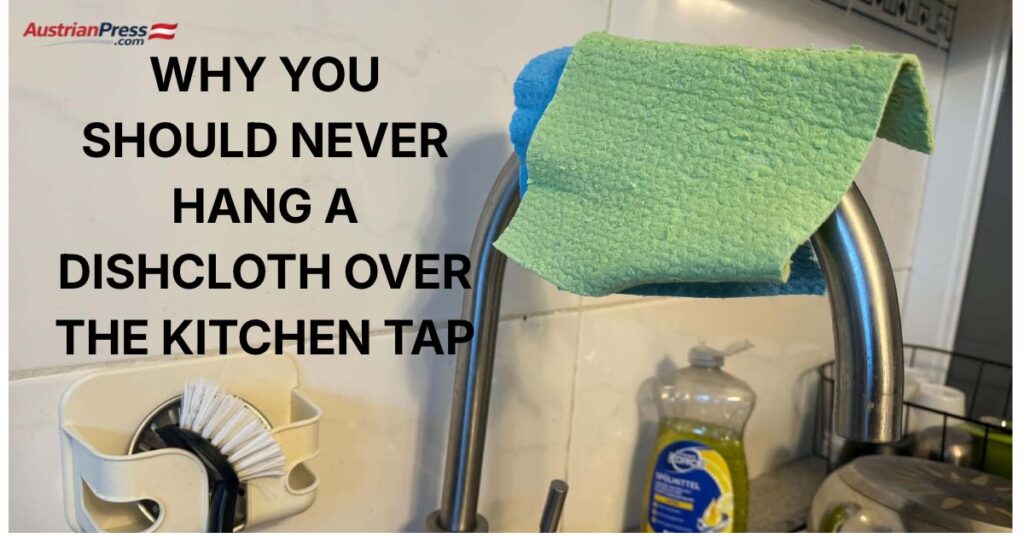
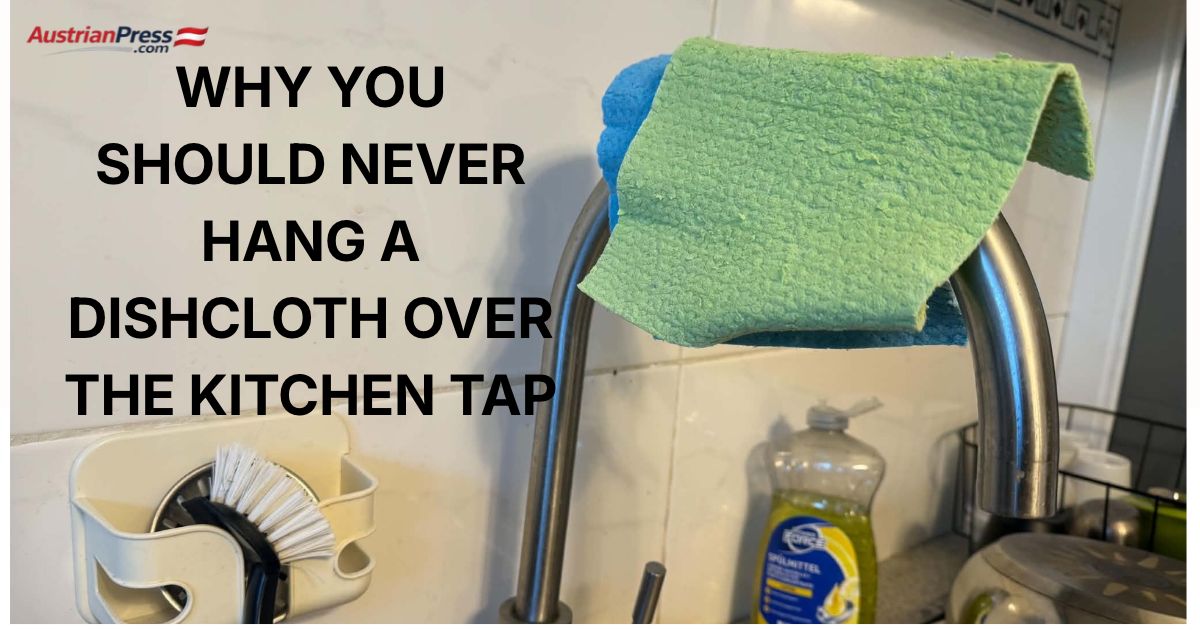
For many people, the routine is familiar: wipe down the kitchen counter, rinse the dishcloth, and drape it over the tap to dry. It seems practical and harmless. However, hygiene experts say this everyday habit could turn both the cloth and the faucet into breeding grounds for bacteria.
A Moist Environment for Germs
Damp cleaning cloths already provide ideal conditions for microorganisms to grow. When a wet cloth is left hanging over the kitchen tap, moisture can linger on both surfaces, creating an environment where bacteria thrive.
As a result, germs can spread between the cloth and the faucet, increasing the risk of contamination throughout the kitchen. Scientists have found that potentially harmful bacteria, including strains such as E. coli and Salmonella, can multiply rapidly in warm and moist conditions.
The Germiest Item in Many Homes
According to microbiologist Professor Markus Egert of Furtwangen University of Applied Sciences, the household item with the highest concentration of germs is often not the toilet seat, as many assume, but the kitchen sponge.
Because cleaning cloths and sponges are frequently exposed to food residues and moisture, they can become reservoirs for bacteria if not cleaned and dried properly.
The Warning Sign: An Unpleasant Smell
A musty or sour odor is often a clear indication that bacteria have colonized a cloth. By the time a dishcloth starts to smell, microbial growth is already well established.
Unfortunately, hanging a cloth over the tap may make matters worse because it often prevents the fabric from drying completely. Remaining damp for extended periods gives bacteria more time to multiply.
How to Dry a Dishcloth Properly
Kitchen hygiene experts recommend a few simple measures to reduce bacterial growth:
- Hang cloths on a separate hook or rack in a well-ventilated area where they can dry completely.
- Wash cloths regularly, ideally at 60 degrees Celsius, to kill bacteria and remove buildup.
- Choose quick-drying materials, such as microfiber cloths, which retain less moisture and dry faster than many traditional fabrics.
- Keep several cloths on hand and replace them frequently, preferably daily if they are used heavily.
Small Change, Big Difference
Preventing the spread of germs in the kitchen does not require complicated cleaning routines. Experts say that allowing dishcloths to dry thoroughly and washing or replacing them regularly can significantly reduce bacterial contamination.
So the next time you finish wiping down the counter, it may be worth breaking the habit of hanging the cloth over the tap. A simple change in routine could help keep your kitchen cleaner and more hygienic.
- source:gofeminin.de/picture: canva.com



This post has already been read 70 times!