0
 0
More than a restaurant, Lolo & Lola brings the warmth of Filipino family traditions to Vienna’s vibrant dining scene, blending familiar tastes from home with modern Austrian culinary creativity.
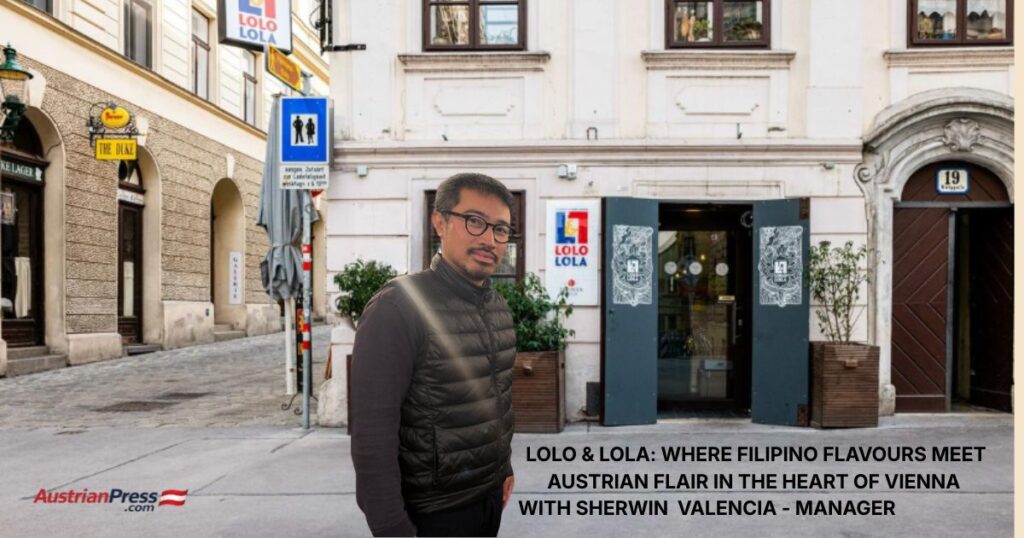
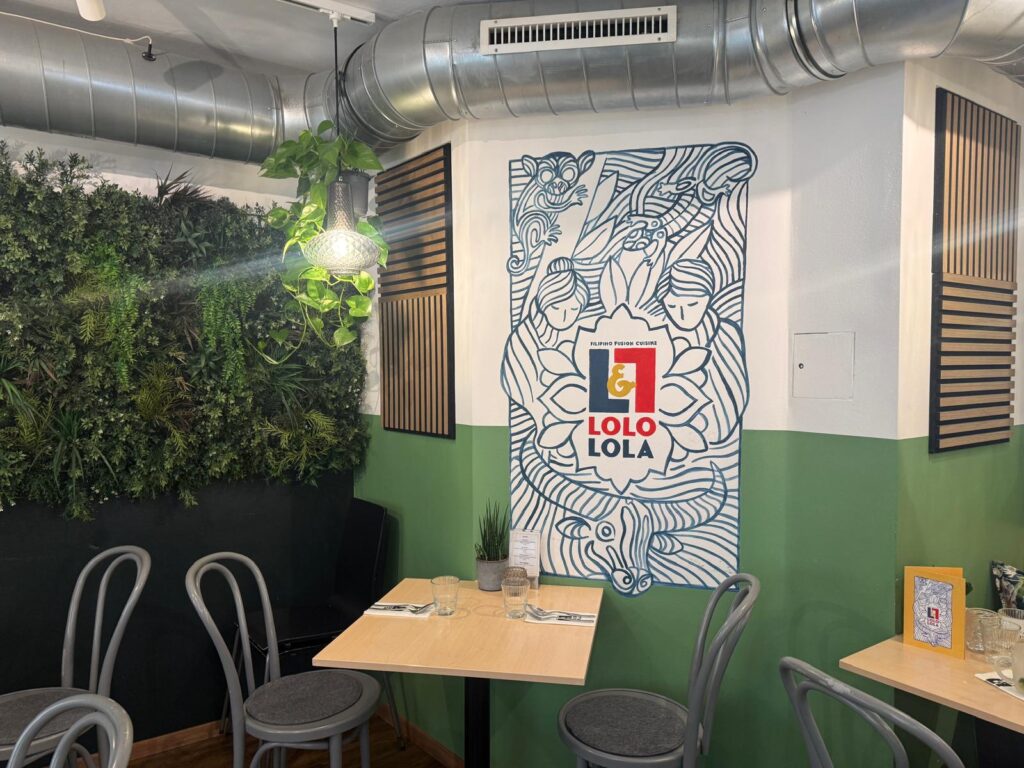
VIENNA, Austria — A taste of the Philippines can be found in the heart of Vienna, where the aroma of Filipino cooking meets the creativity of contemporary Austrian cuisine. At Lolo & Lola, located in the lively Spittelberg neighbourhood of Vienna’s seventh district, food is more than a meal. It is a celebration of heritage, family, hospitality and the beautiful possibilities that emerge when two culinary cultures come together.
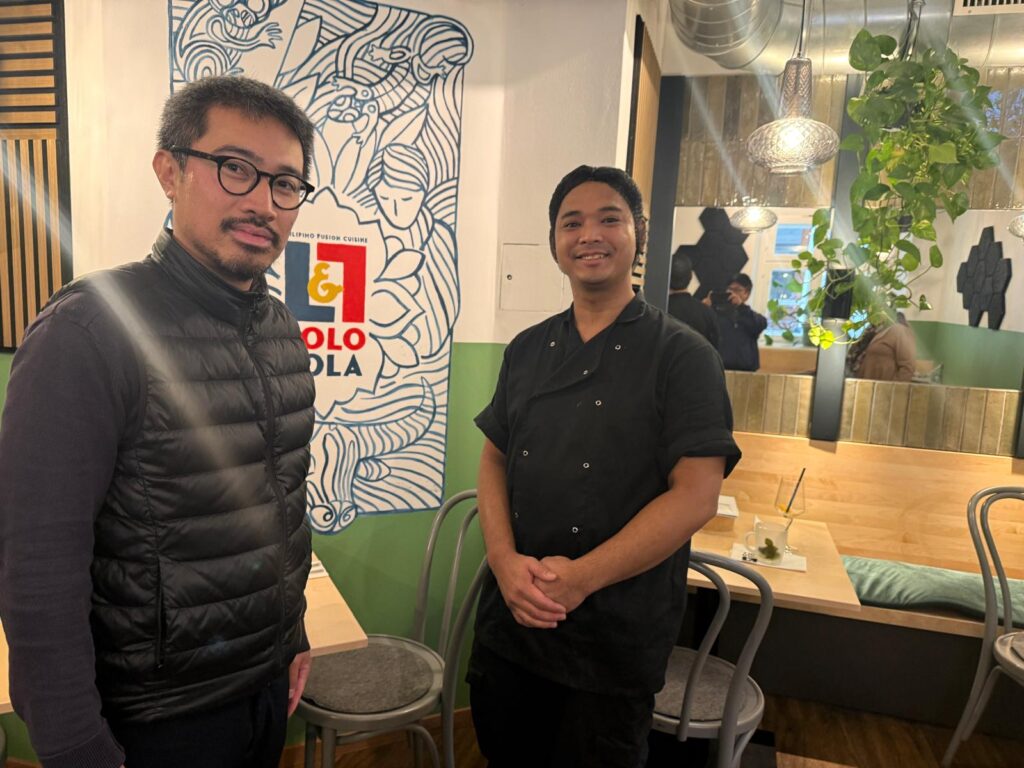
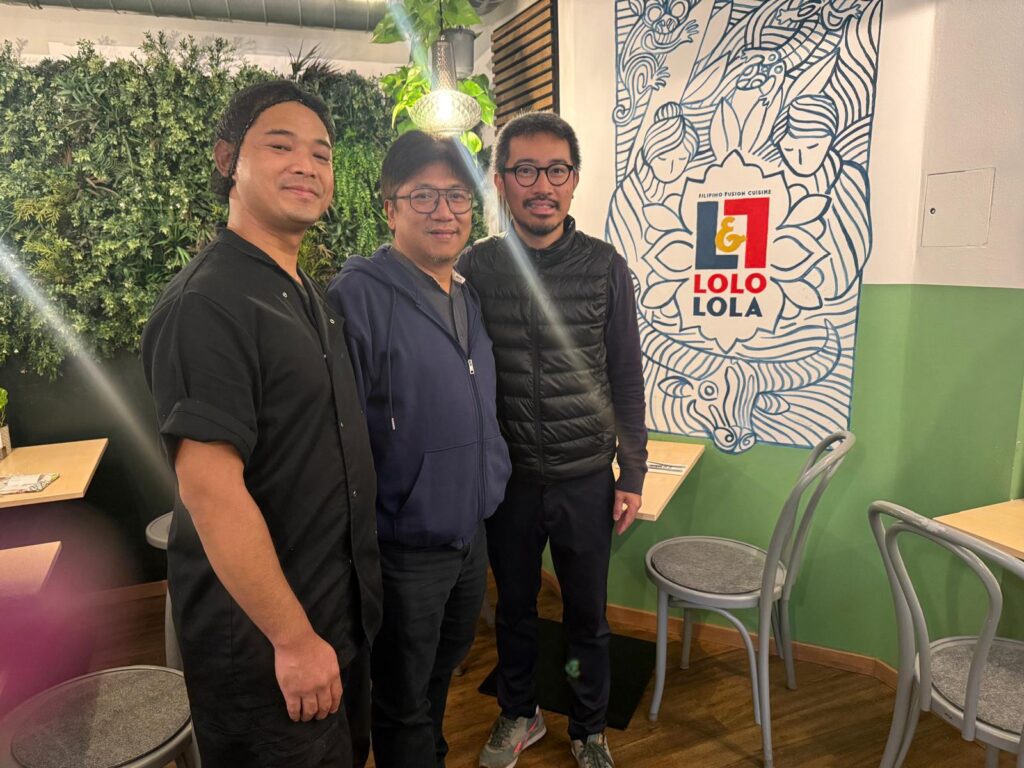
During my recent visit to the restaurant, I had the pleasure of meeting Sherwin Valencia, who welcomed me personally and attended to guests alongside his team. Also present was Patnubay, the Filipino cook whose contribution helps bring the flavours of home to the restaurant’s kitchen.
The encounter offered a glimpse into what makes Lolo & Lola special: a Filipino spirit expressed through food, genuine hospitality and a willingness to introduce the richness of Philippine cuisine to a wider Austrian audience.
A Filipino heart with an Austrian touch
The philosophy behind Lolo & Lola is simple but distinctive: traditional Filipino flavours meet Austrian modernity, with fresh, regional ingredients adding a contemporary dimension to familiar national dishes.
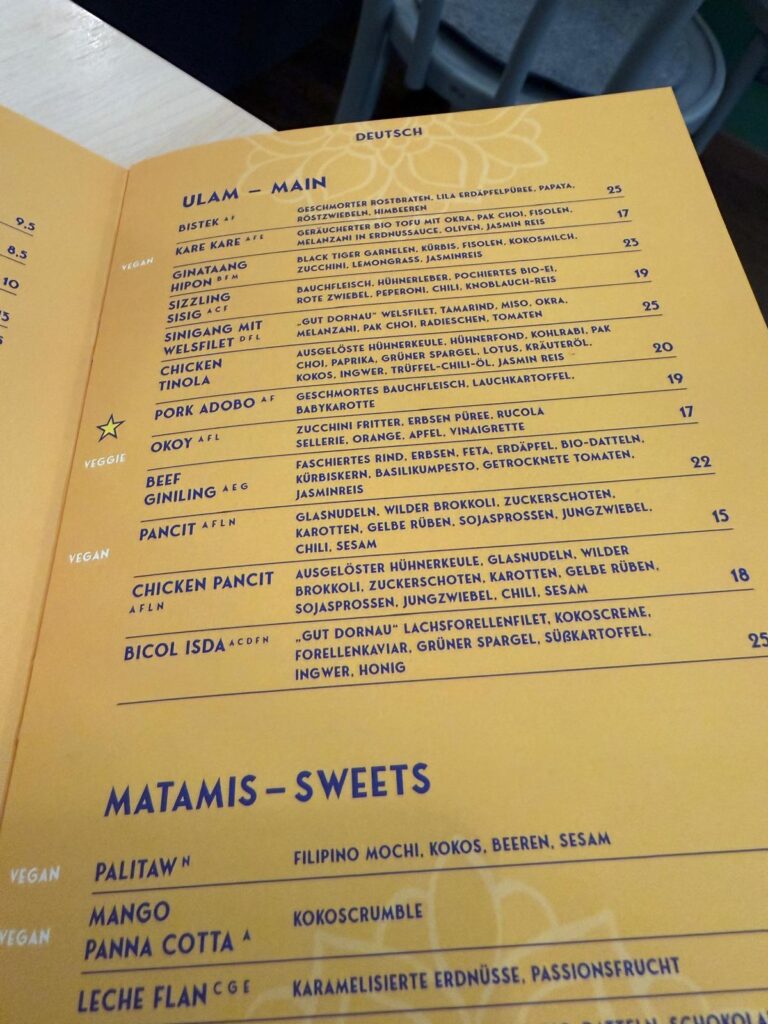
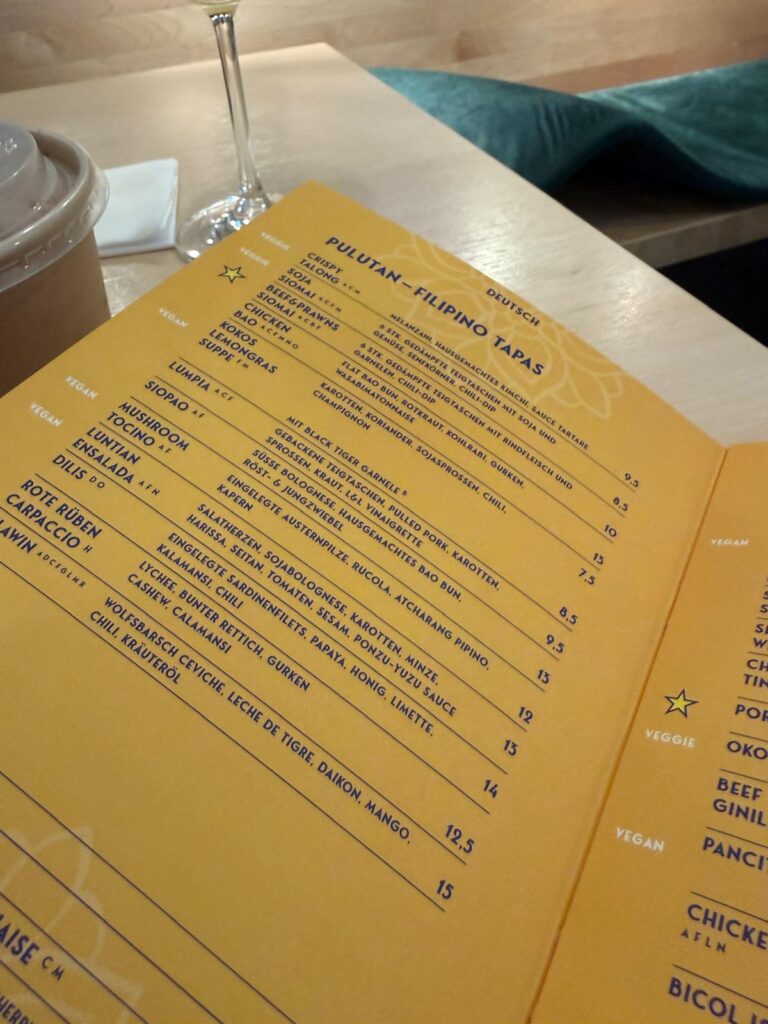
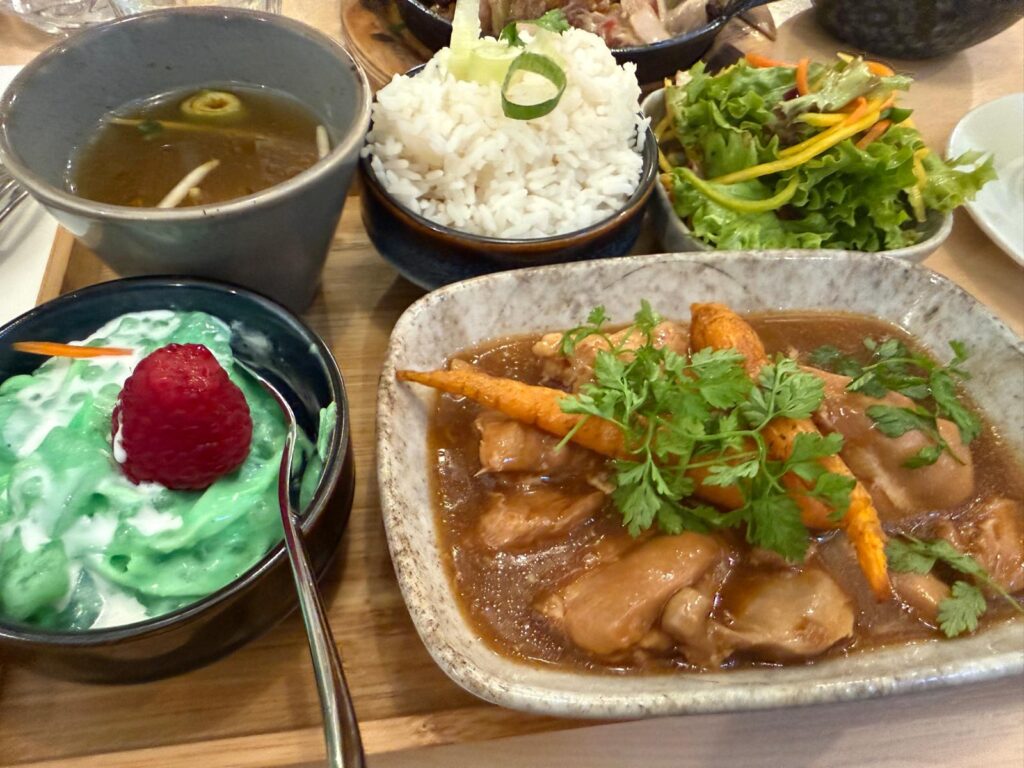
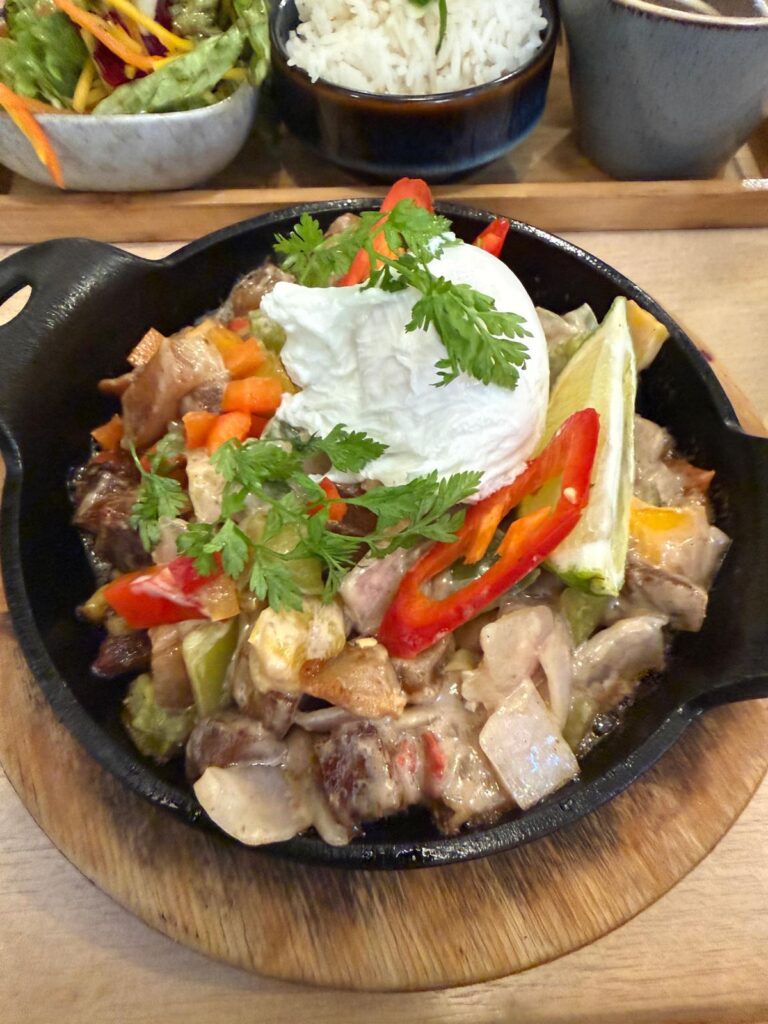
According to the restaurant’s official website, the menu reinterprets Filipino favourites such as adobo, pinakbet and siopao, combining Southeast Asian culinary traditions with locally sourced products. Vegetarian and vegan alternatives are also part of its offering, making Filipino-inspired dining accessible to guests with different tastes and dietary preferences.
This culinary approach reflects the meeting of two worlds. Filipino cuisine is known for its balance of savoury, sour, sweet and sometimes spicy flavours, with ingredients such as garlic, vinegar, soy sauce, coconut milk and tropical produce playing important roles. Austrian cuisine, meanwhile, brings its own traditions of craftsmanship, regional ingredients and thoughtful preparation.
At Lolo & Lola, these influences are not simply placed side by side. They are brought together in a modern interpretation of Filipino food, allowing traditional recipes to evolve while retaining their cultural identity.
A classic dish such as adobo, for example, can be reimagined with techniques that introduce a different texture or presentation, while the familiar flavours continue to evoke the Filipino dining table. It is an approach that invites curious Austrians to discover a new cuisine without losing the authenticity that makes it meaningful to Filipinos.
The story behind the name: Lolo & Lola
In Filipino culture, food is inseparable from family. A meal is an opportunity to gather, share stories, express affection and make guests feel at home. This spirit is beautifully reflected in the restaurant’s name: Lolo means grandfather and Lola means grandmother in Tagalog.
The restaurant’s published story explains that the name honours the grandparents of its founder, Earl Valencia, whose childhood in the Philippine province of Isabela helped shape his connection to Filipino food and family traditions. After moving to Austria in 1999, he pursued a career in hospitality, including experience at the Parkhotel Pörtschach and the Viennese restaurant Motto am Fluss.
That family connection gives Lolo & Lola a deeper meaning. It is not simply about recreating dishes from the Philippines; it is about preserving the memories, values and traditions associated with them, while allowing them to develop in a new cultural environment.
Sherwin Valencia: A host who brings the Filipino spirit to the table
During my visit, Sherwin Valencia stood out not only as the person managing the establishment but also as a hands-on host who personally welcomed and attended to guests. Together with his team, he helped create an atmosphere that felt approachable and welcoming.
This personal involvement reflects a familiar Filipino tradition: hospitality is not merely a professional responsibility but an expression of malasakit — genuine care and consideration for others.
In the Philippines, visitors are often welcomed as though they were members of the family. Food is shared generously, conversations flow naturally, and guests are encouraged to feel comfortable. At a restaurant like Lolo & Lola, that spirit can become an important bridge between Filipino and Austrian dining cultures.
Meeting Patnubay, the Filipino cook, during the visit also highlighted the people behind the food. A restaurant’s identity is built not only on its menu but also on the knowledge, experience and dedication of the people who prepare each dish and serve it to the public.
The contribution of Filipino hospitality workers and culinary professionals deserves recognition. Through their daily work, they help introduce Filipino culture to international audiences, one plate and one guest at a time.
From adobo to vegan creations: Filipino cuisine for everyone
For many Filipinos, adobo, sinigang, pinakbet and other traditional dishes evoke memories of home. For Austrian diners and international visitors, they offer an opportunity to discover a cuisine that combines diverse regional traditions with distinctive flavours.
Lolo & Lola embraces that opportunity through its modern interpretations of Filipino favourites. Its menu has featured dishes such as crispy adobo, creative takes on Filipino dumplings and desserts inspired by ingredients such as ube, the purple yam popular in Filipino sweets. The restaurant also offers vegetarian and vegan alternatives.
This variety matters because Filipino cuisine is far more diverse than the dishes many people outside the Philippines may know. Across the country’s many islands, recipes reflect local ingredients, family traditions and centuries of cultural exchange.
The inclusion of plant-based dishes is another welcome development. Vegetables have long played an important role in Filipino cooking, and dishes such as pinakbet demonstrate how regional produce and bold seasoning can create satisfying meals without relying exclusively on meat.
By combining these culinary traditions with fresh Austrian and regional ingredients, Lolo & Lola offers an interpretation of Filipino cuisine that feels connected to its roots while responding to contemporary dining preferences.
Austrians and Filipino tourists at the same table
During our conversation, Valencia related that many of the restaurant’s guests are Austrians and Filipino tourists. This mix of customers illustrates the restaurant’s potential as a meeting place for people with different backgrounds but a shared interest in good food.
For Austrian guests, the restaurant provides an introduction to the flavours and traditions of the Philippines. For Filipino tourists visiting Vienna, it offers something familiar in a foreign city — a chance to reconnect with tastes that may remind them of home.
For Filipinos living in Austria, meanwhile, places like Lolo & Lola can help keep cultural traditions alive across generations. A familiar dish can spark conversations about family recipes, childhood memories and celebrations back home. For younger Filipinos and those of mixed heritage, it can also provide an accessible way to explore their cultural roots.
And for everyone else, it is an invitation to discover a cuisine that deserves a place among Vienna’s rich international dining options.
A taste of the Philippines in Spittelberg
Located at Burggasse 19 in Vienna’s seventh district, Lolo & Lola occupies a neighbourhood known for its lively atmosphere, historic character and dining culture. Its location in Spittelberg makes it a convenient stop for those exploring Vienna and looking for something beyond the usual culinary offerings.
Yet what makes the restaurant noteworthy goes beyond its address or menu. It represents the continuing contribution of the Filipino community to Austria’s cultural and gastronomic landscape.
Filipinos have long been recognised for their warmth, adaptability and dedication in hospitality. Through restaurants such as Lolo & Lola, these qualities find expression in an especially meaningful way: sharing one’s heritage with others while embracing the country that has become home.
The Filipino touch is present not only in the food but also in the values surrounding it — pakikisama, the spirit of getting along with others; paggalang, respect; and malasakit, genuine care. These values help turn a simple dining experience into an opportunity for connection.
More than food — a celebration of Filipino identity
My recent visit to Lolo & Lola was a reminder that cultural exchange often begins with something as simple as sitting around a table. A dish prepared with care can introduce a stranger to a tradition, bring a traveller closer to home, or encourage a local resident to explore a culture previously unfamiliar to them.
Through its blend of Filipino flavours, Austrian culinary influences, regional ingredients and inclusive menu, Lolo & Lola demonstrates how tradition and modernity can complement one another.
With Sherwin Valencia and his team welcoming guests, and Filipino kitchen talent such as Patnubay helping bring the food to life, the restaurant offers a setting where Filipino heritage can be shared with a broader public.
Ultimately, the name Lolo & Lola captures the heart of the experience. It evokes the warmth of grandparents, the comfort of home-cooked meals and the joy of welcoming someone to the family table.
And perhaps that is the most Filipino touch of all: wherever you come from, there is always room for one more at the table.
- Hector Pascua



This post has already been read 7 times!