 0
0
 0
0
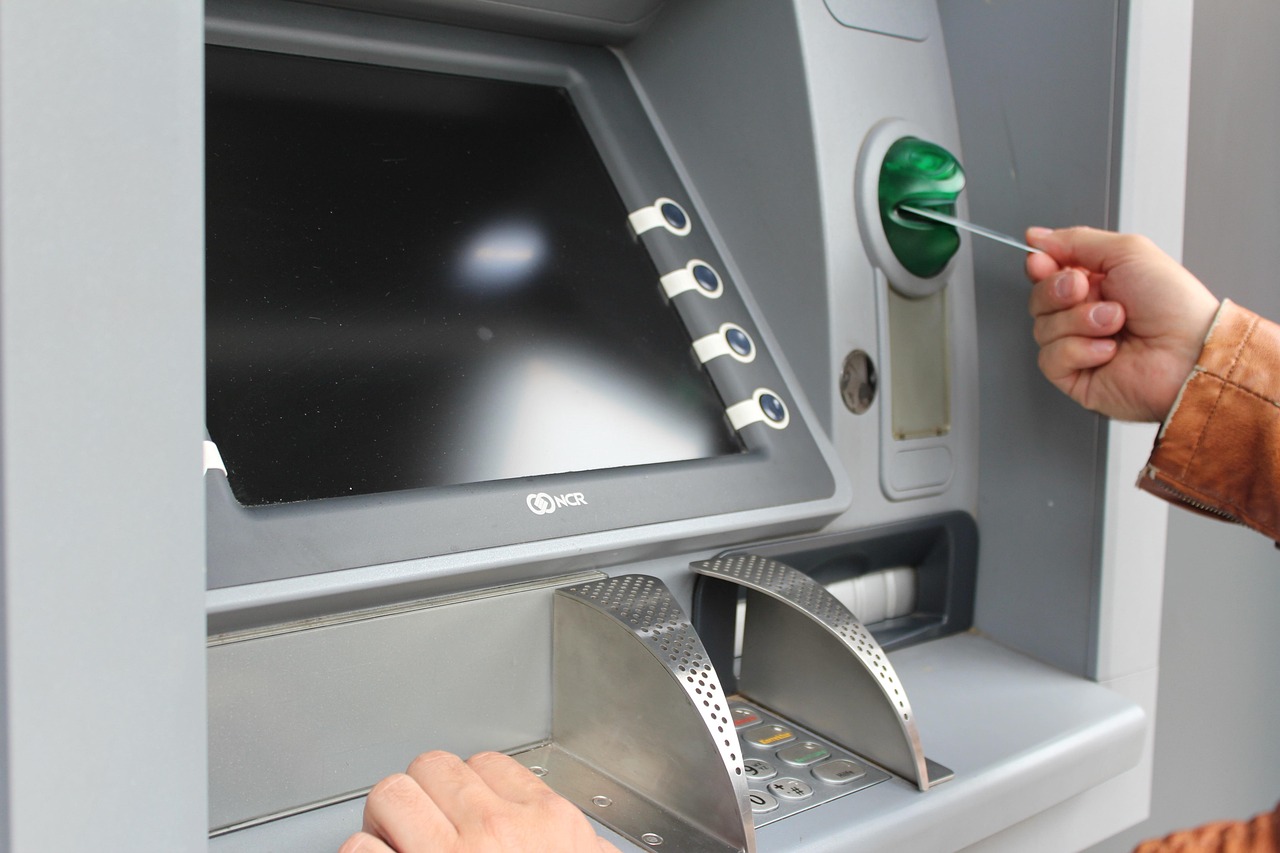
It is a routine we all know by heart: you approach the ATM, insert your card, type in your PIN, collect your cash, and retrieve your card. Once the money is safely in your wallet, you turn around and head on your way. It’s an everyday task—but according to security experts, this brief moment of distraction could leave you vulnerable to a serious security risk.
In some cases, the ATM session may not terminate immediately after you remove your card and cash. This leaves a “window of opportunity” for criminals to hijack your session. Fortunately, there is a simple, effective habit that can neutralize this threat: Always press the “Cancel” (or “Abbruch”) button before you walk away.
The Danger of an “Open Session”
While modern banking technology has made significant strides, some ATMs—particularly older models or those that are poorly maintained—do not always automatically log out the user the moment the card is withdrawn.
If the machine remains in an active state, it is essentially an open door. An attacker waiting nearby could potentially interact with the machine to access data from your previous session, or in some cases, attempt to perform unauthorized transactions if the machine has not yet timed out. This risk is notably higher in less-frequented areas, locations abroad where you might be unfamiliar with the interface, or at standalone machines that are not housed within a secure bank foyer.
Your ATM Security Checklist
Protecting your finances requires more than just common sense; it requires a proactive approach. Beyond pressing the “Cancel” button, follow this checklist every time you visit an ATM to minimize your risk of becoming a victim of fraud.
1. The “Cancel” Rule
Make it a reflex. Before you turn your back on the screen, hit the Cancel/Abbruch button. This manual command forces the terminal to terminate any active session, ensuring that no one following behind you can access your account details.
2. Shield Your PIN
This remains the golden rule of banking. Always cover the keypad with your free hand, your body, or your clothing while entering your PIN. This prevents “shoulder surfing” and protects you from hidden cameras that criminals may have installed to record your input.
3. Inspect for Tampering (Skimming)
Before you start your transaction, take a quick look at the hardware. Check for:
- Loose parts: If the card reader or keypad feels shaky or insecure.
- Unusual attachments: Look for bulky additions to the card slot or signs of adhesive residue.
- Visual inconsistencies: If the color or design of the card slot doesn’t match the rest of the machine, it could be a skimmer.
- If anything looks suspicious, do not use the machine.
4. Choose Your Location Wisely
Prioritize machines located in high-traffic, well-lit areas. ATMs inside bank lobbies, monitored shopping centers, or areas under video surveillance are significantly safer than isolated machines in dark alleys or unmonitored street corners.
5. Monitor Your Transactions
Don’t just “set it and forget it.” Regularly review your account statements or check your online banking app. If you notice any suspicious activity—no matter how small—contact your bank immediately to block your card and investigate the issue.
The convenience of ATMs makes them an essential part of our financial lives, but it is important not to let routine lead to carelessness. By making the “Cancel” button a mandatory step in your process and staying observant of your surroundings, you can ensure that your quick trip to the bank doesn’t lead to an unwanted headache.
Stay alert, stay safe, and always hit “Cancel” before you leave.
- Hector Pascua/picture: pixabay.com



This post has already been read 4672 times!