 0
0
 0
0
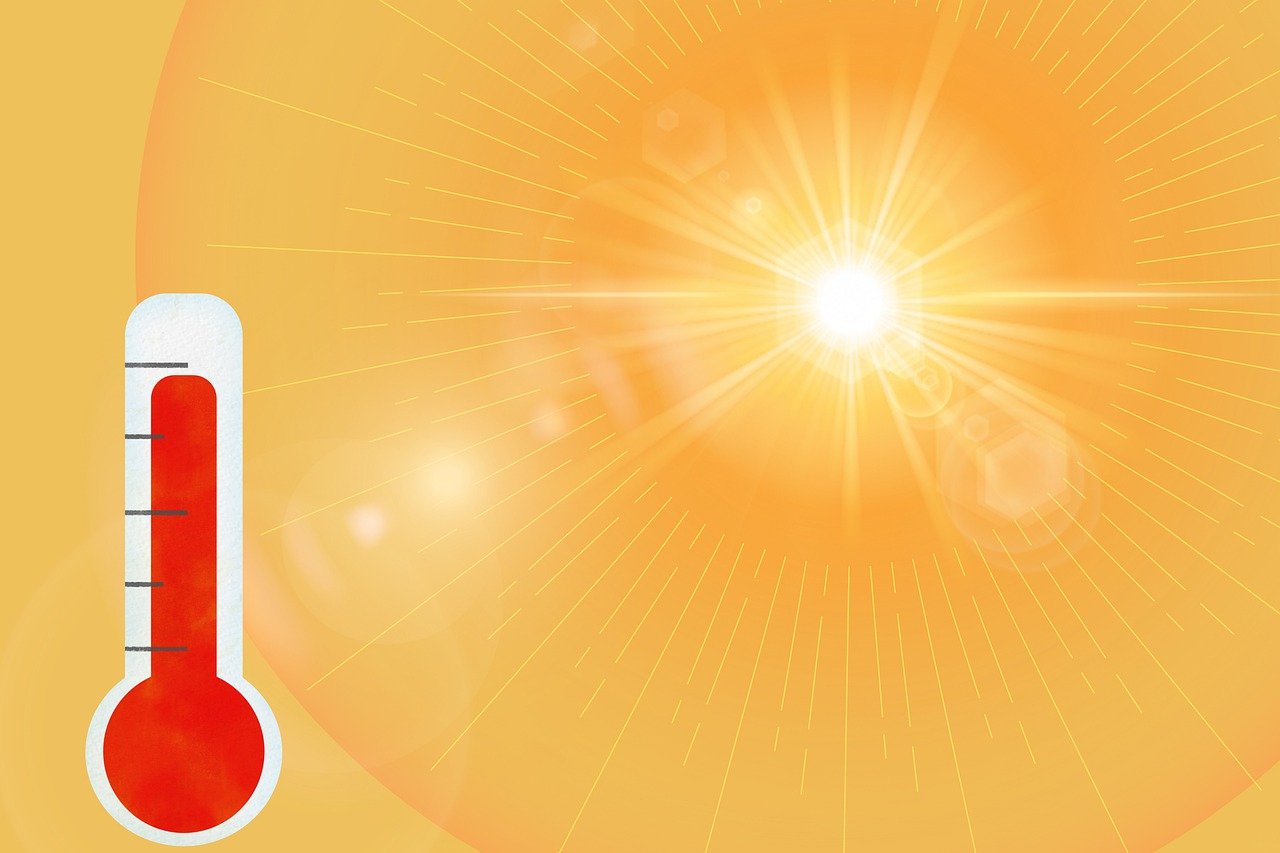
Temperatures across Europe are set to surge toward new summer records in the coming days, with parts of the continent expected to approach 40°C.
For millions of people, this will mean not just discomfort but real danger.
“Heatwaves aren’t just unpleasant — they’re among the deadliest weather events in Europe. Yet most heat‑related illnesses can be prevented with simple measures,” said Tiago Villanueva, family physician and president of the European Union of General Practitioners / Family Physicians, in an interview with Euronews Health.
As Europe prepares for another intense heat episode, understanding how heat affects the body — and how to protect yourself — becomes essential.
When Heat Pushes the Body to Its Limits
During prolonged heat, the body struggles to regulate its internal temperature. When sweating and heat release are no longer enough, the risk of heat exhaustion and heatstroke rises sharply.
The effort to cool down strains the heart and kidneys, and extreme temperatures can worsen existing medical conditions.
Nights offer little relief: in many regions, tropical nights — when temperatures stay above 20°C — prevent the body from recovering.
Without nighttime cooling, the cardiovascular system remains under stress, sleep quality drops, and mortality increases.
Staying Cool During the Hottest Hours
Across much of Europe, temperatures are expected to exceed 30°C, with heat lingering well into the night. Experts recommend:
- Staying indoors during peak heat hours whenever possible.
- Keeping windows and blinds closed during the day to block out sunlight.
- Ventilating early in the morning and late in the evening when outdoor air is cooler.
The WHO advises using electric fans only when temperatures are below 40°C. Above that threshold, fans simply circulate hot air and can worsen overheating.
If you must go outside, choose loose‑fitting, light‑colored clothing made from breathable fabrics like cotton or linen — ideal for both daytime wear and bedding during warm nights.
Protecting Yourself From the Sun
Avoid direct sunlight, especially around midday, and apply sunscreen every two hours to maintain the skin’s natural barrier and reduce the risk of sunburn and skin cancer.
Look for signs that it’s time to reapply: dryness, redness, or burning sensations.
If you’re outdoors during peak hours:
- Wear a hat or cap to shield your head.
- Protect your eyes with UV‑rated sunglasses.
- According to Bryce St. Clair of Johns Hopkins Medicine, lenses in brown, green, or grey offer the best UV protection, while yellow lenses protect less effectively.
Hydration: Your Most Important Defense
Drinking enough water is crucial. The WHO recommends two to three liters per day, more if you’re active or sweating heavily.
Villanueva emphasizes: don’t wait until you feel thirsty — thirst is a late warning sign.
He also advises limiting alcohol and caffeine, which can increase dehydration.
Recognizing Early Warning Signs
Even with precautions, extreme heat can make you feel unwell. Watch for symptoms of heat exhaustion or early heatstroke:
- Dizziness
- Nausea
- Fatigue
- Weakness
- Confusion
If these occur, cool down immediately: shower, bathe, spray your skin with water, drink fluids, and seek medical help if symptoms worsen.
Who Is Most at Risk?
Not everyone is equally vulnerable to extreme temperatures.
According to Villanueva, high‑risk groups include:
- Older adults, especially over 65
- People with chronic illnesses
- Infants and young children
- Socially isolated individuals
- Outdoor workers
- People experiencing homelessness
Children overheat faster because they sweat less per kilogram of body weight and have a higher metabolic rate.
People taking certain medications — both prescription and over‑the‑counter — may also be more susceptible, as some drugs impair sweating, temperature regulation, or fluid balance.
Europe’s New Summer Reality
Heatwaves are becoming more frequent, more intense, and longer‑lasting across Europe. As temperatures rise again this week, simple precautions can save lives.
Staying informed, staying cool, and watching out for vulnerable neighbors or relatives can make all the difference.
- source euronews.de/picture: pixabay.com



This post has already been read 9415 times!