 0
0
 0
0
VIENNA — In a sharp rebuke of recent hostilities targeting civilian infrastructure, the Philippines has issued a stern warning over a drone strike that hit a vital component of the United Arab Emirates’ nuclear energy network.
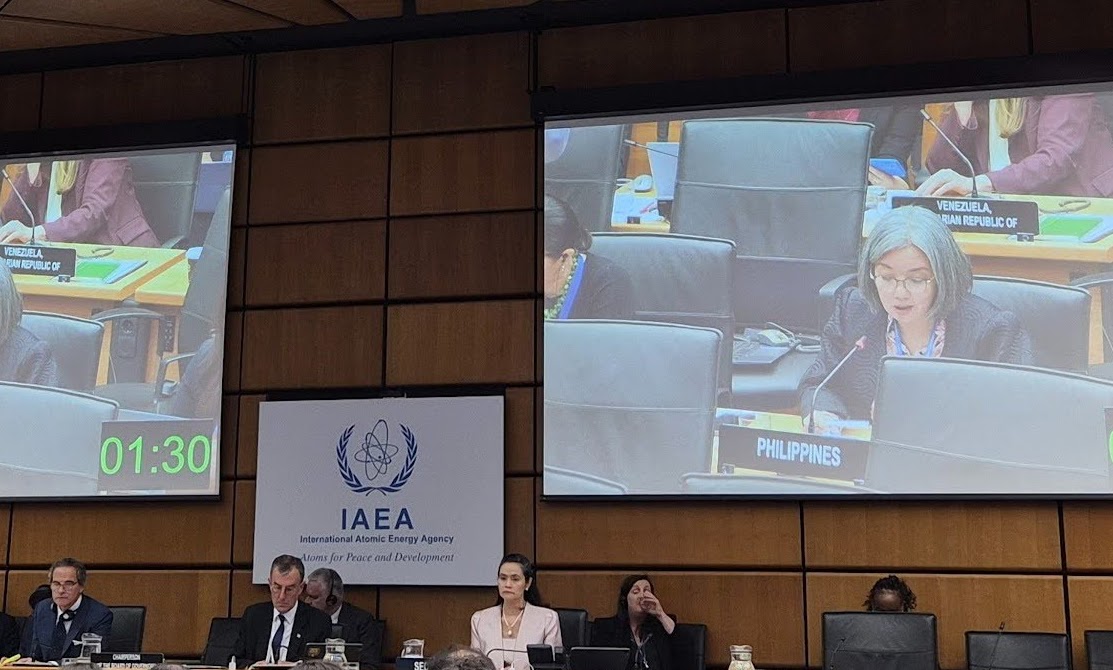
Speaking at a Special Board of Governors Meeting of the International Atomic Energy Agency (IAEA) in Vienna on June 5, 2026, Ambassador and Permanent Representative Evangelina A. Bernas expressed Manila’s “deep concern” over the May 17 drone attack, which struck an electrical generator at the Barakah Nuclear Power Plant in Abu Dhabi.
The attack, though targeting supporting electrical infrastructure rather than the reactor cores themselves, represents a significant escalation. Philippine officials warned that the incident posed a severe and direct threat to nuclear safety and security across the UAE and the wider Middle East region.
A Violation of International Norms
Ambassador Bernas pulled no punches during her address to the UN nuclear watchdog, emphasizing that targeting civilian nuclear infrastructure crosses a dangerous red line.
“Attacks on nuclear facilities devoted to peaceful purposes violate the UN Charter, international law, and the Statute of the IAEA,” Bernas stated.
As a current member of the IAEA’s Board of Governors, the Philippines used the special session to reaffirm its robust support for the agency’s global mandate. Manila emphasized the critical nature of the IAEA’s ongoing work to monitor, secure, and ensure the safety of nuclear facilities worldwide, particularly as geopolitical tensions increasingly bleed into infrastructure vulnerability.
Warning of Environmental and Humanitarian Catastrophe
The core of the Philippine intervention focused on the potentially catastrophic secondary effects of modern drone warfare near atomic sites.
Ambassador Bernas cautioned the international community that the region narrowly avoided a far worse outcome. A direct hit on the primary containment structures of the Barakah Nuclear Power Plant, she warned, could trigger a “very high release of radioactivity into the environment.”
The embassy delegation underscored that any significant radiological release would not respect national borders, leading to “serious humanitarian consequences” and a “precarious effect on the environment” that would ripple across the entire continent.
The special IAEA meeting concludes amid heightened calls from member states for stricter international enforcement and protections guarding peaceful nuclear energy programs from asymmetric warfare.
- source/picture: Philippine Embassy, Vienna



This post has already been read 6519 times!