 0
0
 0
0
The first bite seems harmless. By the second, the tingling begins, the nose starts to run, the forehead grows damp and the mouth feels aflame. For some, this is pure culinary pleasure; for others, it is a nightmare. But what exactly happens inside the body when we eat spicy food?
Not a Taste, but a Pain Signal
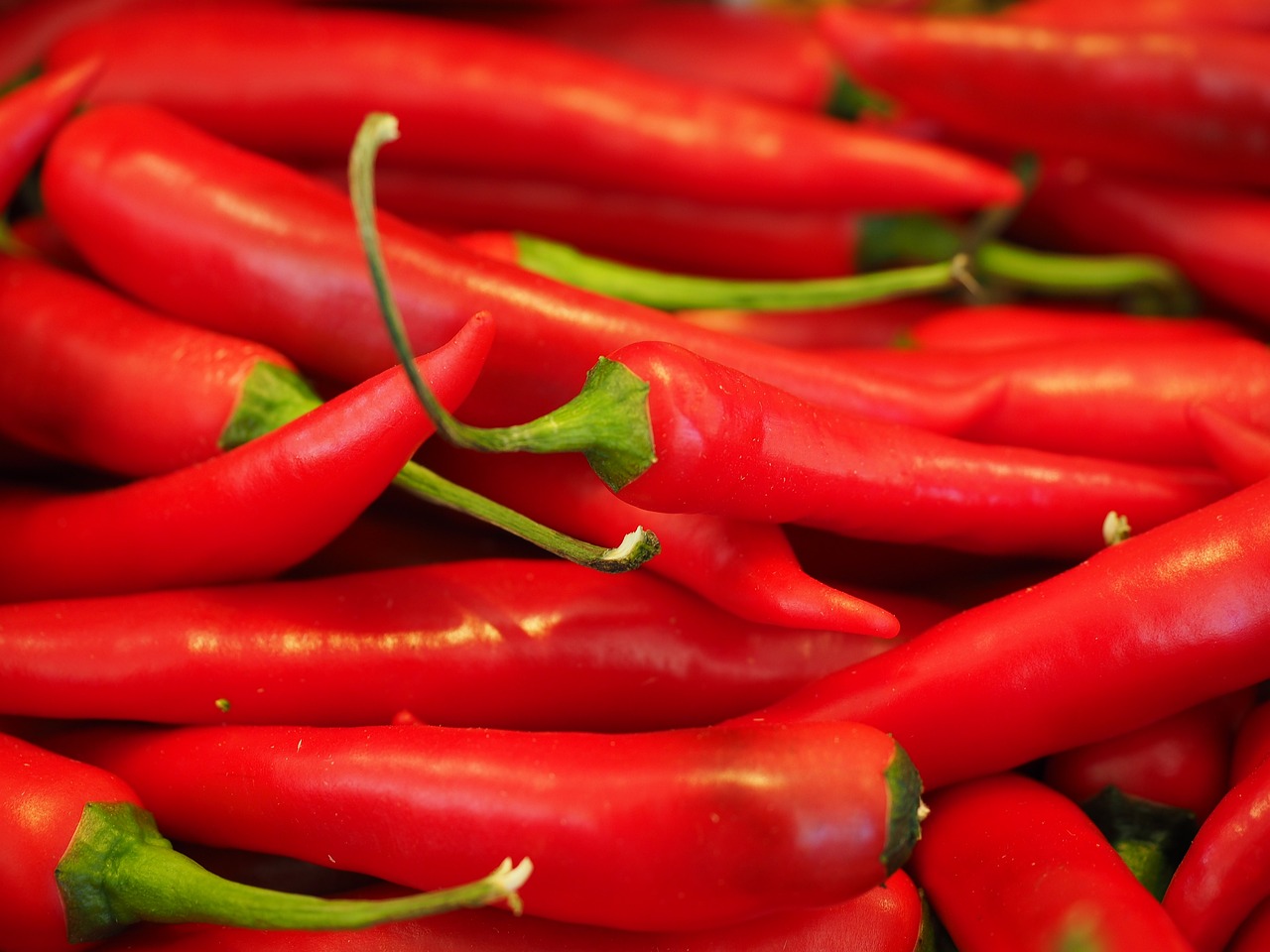
Spiciness is not one of the classic tastes like sweet, sour, salty, bitter or umami. Instead, it is a pain reaction. Compounds such as Capsaicin (chili, paprika), Piperine (pepper), Gingerol (ginger), Allicin (garlic) and Glucosinolates (mustard, radish, cress) activate pain receptors on the tongue and mucous membranes.
The brain interprets this irritation as heat, even though the food itself is not physically hotter. For plants, this is a clever defense mechanism: many animals quickly lose interest when confronted with intense spiciness.
The Body’s Emergency Program
Once the receptors are triggered, the body reacts immediately:
- Blood vessels dilate — circulation increases, the cardiovascular system speeds up.
- Sweating intensifies — the body attempts to cool itself.
- Digestion is stimulated — metabolism becomes more active.
- Nasal congestion eases — better blood flow helps loosen mucus.
Regular chili lovers know the next step: after the burn comes a wave of well-being. Because the body perceives spiciness as pain, it releases endorphins and sometimes increases dopamine levels. Experts call this the “Pepper High”, a brief moment of euphoria that keeps many returning to spicy dishes.
Is Chili a Natural Antibiotic?
Capsaicin and allicin show antibacterial, antiviral and antifungal effects in laboratory settings. But the amounts consumed in food are far too low to kill pathogens in the human body. Spicy meals may ease symptoms like a blocked nose, but they do not replace medical treatment.
When Spiciness Becomes Dangerous
In normal quantities, spicy foods can be beneficial. But too much can harm. Germany’s Federal Institute for Risk Assessment warns against extremely hot chili extracts, concentrated sauces and “heat-eating contests”.
High doses of capsaicin can cause:
- Mucosal irritation
- Nausea and vomiting
- Dangerous spikes in blood pressure
In severe cases, hypertensive crises may occur and require medical attention. Children are especially sensitive, so very spicy products should be kept out of reach.
Cooling Down by Heating Up
It may sound contradictory, but spicy food can make you feel cooler. Dilated blood vessels and increased sweating support the body’s natural cooling system. On warm days, this can create a subtle sense of refreshment.
Still, expectations should remain realistic: those who already sweat heavily or are exposed to extreme heat will not gain much additional cooling from spicy meals.
Spicy food can boost circulation, stimulate digestion, lift mood and temporarily ease cold symptoms. But excessive heat can irritate the body and even pose health risks. As with many things, the key is moderation — enjoying the pleasant burn without turning it into a painful blaze.
- source: heute.at/picture: pixabay.com



This post has already been read 10321 times!