 0
0
 0
0
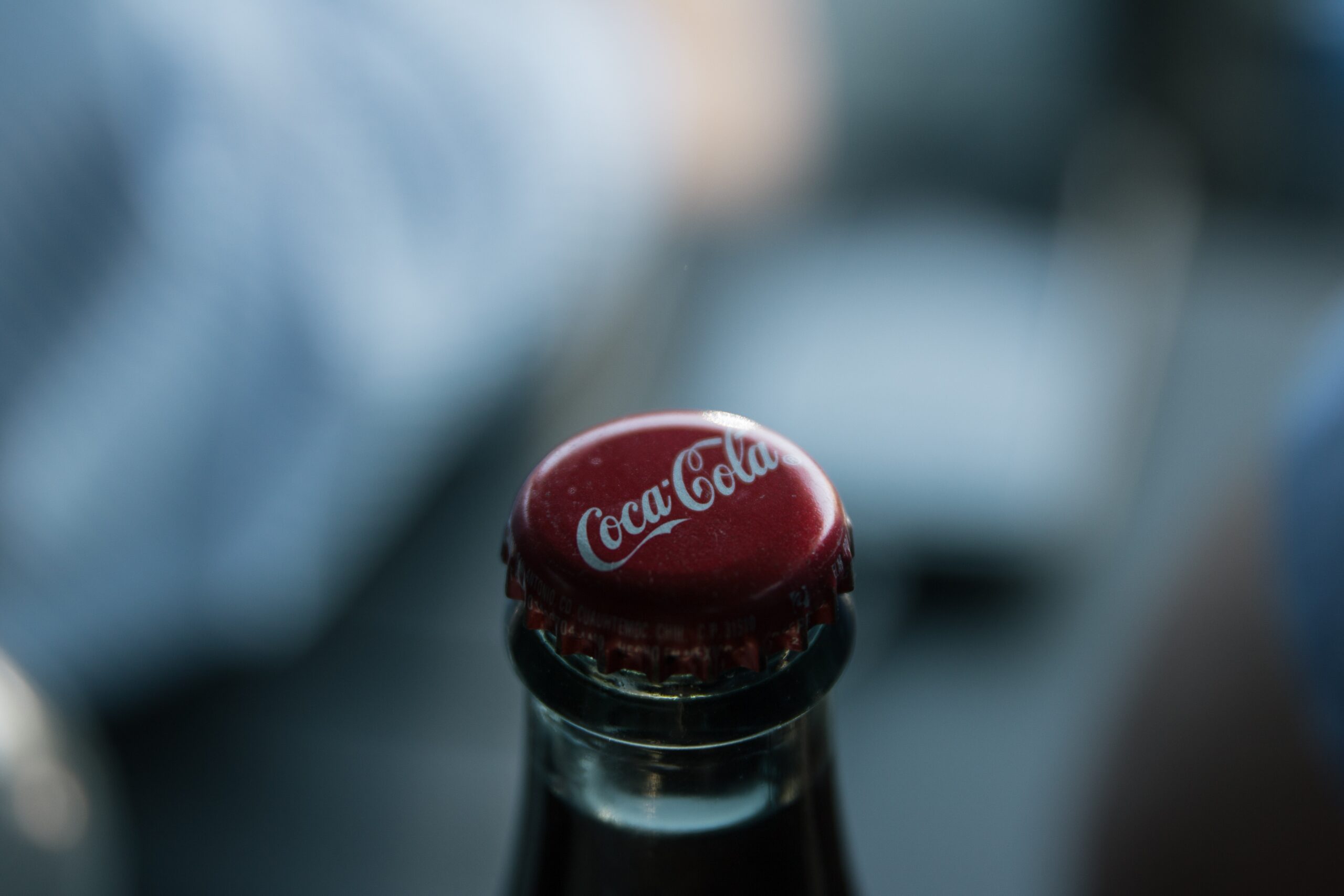
The market for sugar‑free soft drinks is booming. Zero‑products promise fewer calories and a healthier lifestyle, but that impression is misleading. A closer look at the ingredients of Cola Zero reveals that it differs only marginally from regular cola: water, carbon dioxide, colorant E150d, phosphoric acid (E338), sodium citrate, natural flavors, caffeine and a mix of artificial sweeteners.
Phosphoric acid: A direct attack on tooth enamel
Cola’s characteristic acidity comes from phosphoric acid, added partly to enhance the stimulating effect of caffeine. Analyses show that one liter of cola contains around 0.8 grams of pure phosphoric acid. Immediately after drinking, this aggressive acid begins to erode tooth enamel — regardless of whether the drink contains sugar.
Caffeine levels are also nearly identical across brands: A 200‑milliliter serving of Coca‑Cola, Coca‑Cola Zero, Pepsi and Pepsi Max contains 20 milligrams of caffeine, while Coca‑Cola Light and Pepsi Light contain 24 milligrams.
Aspartame and other sweeteners: Not a healthier choice
Instead of household sugar, Zero and Light drinks rely on sweeteners such as Aspartame and Acesulfame‑K. Cola Zero also contains Cyclamate, which creates its distinct flavor compared to Light versions. Some newer varieties, like Fritz Cola Stevia or Coca‑Cola Zero Stevia, use Stevia, though it has struggled to gain popularity in Germany due to its taste.
While sugar can contribute to cavities, obesity and fatty liver disease, artificial sweeteners are not necessarily safer. According to the U.S. Food and Drug Administration, Aspartame consists of 50% phenylalanine, 40% aspartic acid and 10% methanol. Long‑term consumption may trigger:
- anxiety
- dizziness
- memory problems
- gastrointestinal issues linked to disrupted gut flora
The gut microbiome can recover within weeks or months once Aspartame intake stops. In Europe, however, Aspartame and Acesulfame‑K (E950) are still considered safe for human consumption.
WHO guidance: Sweeteners may raise cardiovascular risks
Despite regulatory approval, the World Health Organization advises against the regular use of artificial sweeteners. Research suggests they may:
- increase the risk of cardiovascular disease
- promote weight gain by triggering cravings
- raise the risk of stroke with high consumption
- shorten lifespan in animal studies
Animal experiments also indicate that Acesulfame‑K consumed during pregnancy may increase the likelihood of childhood obesity. A study from York University further shows that Aspartame and Acesulfame‑K can intensify hunger and encourage overeating.
Better everyday alternatives
For daily hydration, experts recommend:
- mineral or tap water
- unsweetened teas
- diluted fruit juices
- cold‑brew coffee for a caffeine boost
Cola Light and Cola Zero can be part of an occasional treat, but they should not be viewed as health‑promoting beverages.
Cola Zero may cut out sugar, but its blend of acids and artificial sweeteners still affects the body in ways many consumers underestimate. The healthiest choice remains simple: water and other natural drinks. Cola Zero belongs in the category of indulgence — not daily nutrition.



This post has already been read 8679 times!