 3
3
 0
0
VIENNA — The Sentro ng Kulturang Filipino at Austria successfully wrapped up its vibrant multi-day “Common Diversities” event, drawing community members, artists, scholars, and advocates together for a deep exploration of diaspora experiences, shared heritage, and cross-cultural solidarity. Building on an opening day featuring project presentations, community talks, and cultural performances, the gathering reached its intellectual and creative peak during an action-packed second day on Saturday, September 12, 2026. The event is being organized by Sentro’s Christian Namiss and Arlene Castañeda.
The comprehensive program offered a dynamic mix of hands-on workshops, rigorous panel discussions, artistic showcases, and live performances, creating a welcoming space for reflection on what it means to build community across borders.
Hands-On Heritage and Embodied Resilience
The day opened with a grounding exploration of ancestry and creativity. In the morning, Alyssa “Mayari” Gruezo led the Clay Palayok Workshop, guiding participants through handbuilding miniature traditional Filipino vessels. Blending gentle body-awareness practices with open dialogue, the workshop invited attendees to reconnect with ancestral memory and the teachings of clay.
The focus on somatic connection continued with the workshop „Embodying Bayanihan – Gemeinsam unseren Lebensraum tragen“. Facilitated by diasporic Filipino psychologists Marlisa Strauss (Zürich) and Helena Bartels (Berlin), the session translated the indigenous concept of bayanihan—communal unity, mutual care, and shared responsibility—into a resource-oriented physical experience, merging traditional perspectives with environmental psychology.
Art, Archives, and Intergenerational Dialogues
Artistic expression and archival politics took center stage as international voices converged. Visual artist Silke Lapina (Hamburg) and Ralph Chan (Vienna) engaged in a virtual artist talk exploring Echoes of the Unsaid – Bodies That Remember. Through a powerful two-part video examining martial law-era training routines and muscle memory, the conversation interrogated how history lives in the body across generations.
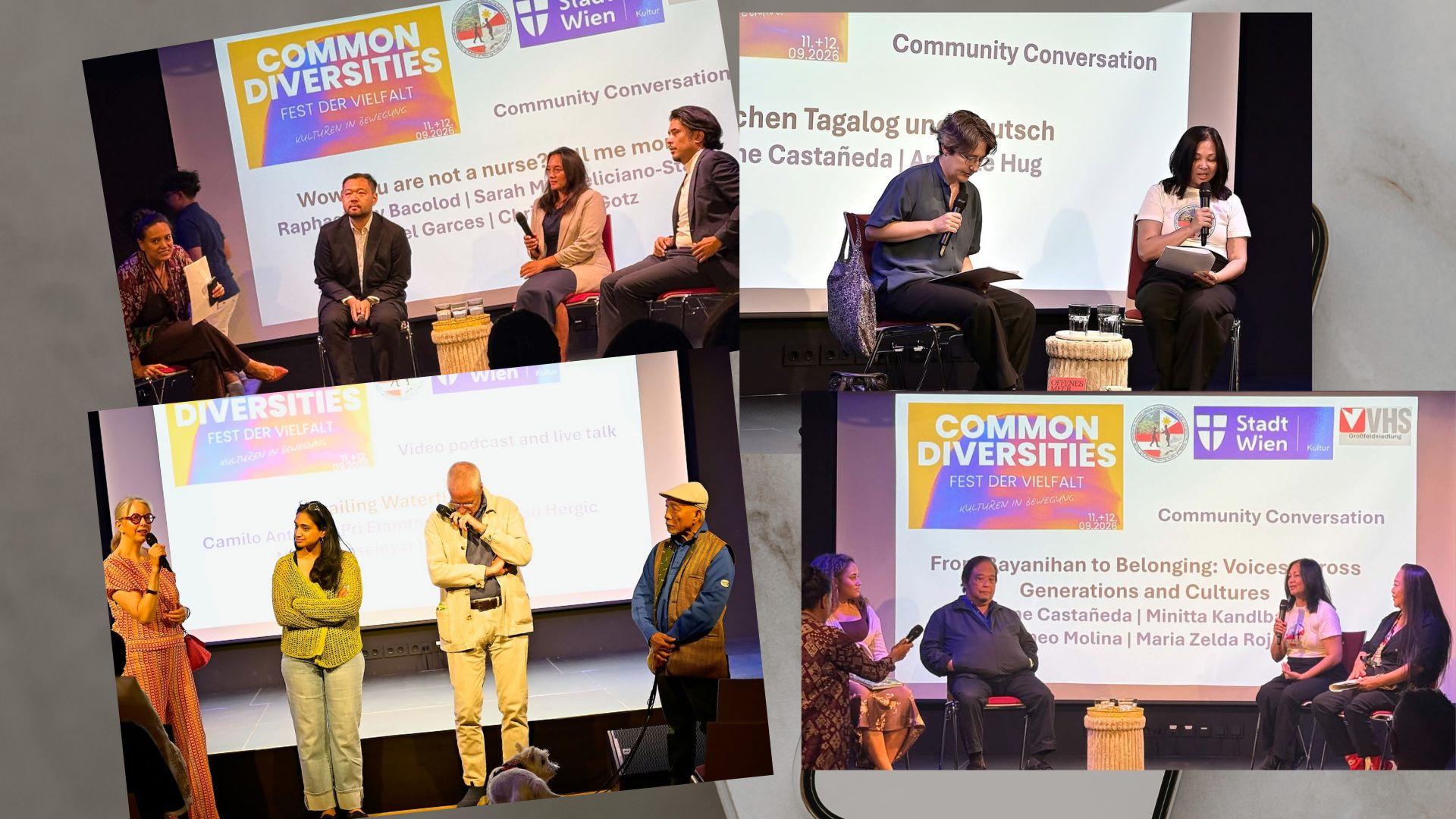
The exploration of community roots expanded further in the panel session From Bayanihan to Belonging: Voices Across Generations and Cultures, featuring Minitta Kandlbauer, Romeo Molina, Maria Zelda Rojas, and Arlene Castañeda (Vienna). Tackling the fundamental question of what makes people feel a sense of belonging, the panel centered on the historical and enduring spirit of bayanihan—solidarity, shared responsibility, and mutual support. The conversation examined actionable ways to preserve cultural heritage, empower the younger generation, and extend the ethos of bayanihan across borders, inspiring international communities to support one another in building a future where everyone feels seen, valued, and heard.
Archival power dynamics were also challenged by Stephanie Willi (Zürich) in the session Rumble in the Archive: Who Gets to Tell the Story?, which examined ethnographic museum collections from the Philippines in Zurich to rethink colonial entanglements and community-led historical narratives. Later, literary translator Annette Hug (Zürich) and Arlene Castañeda (Vienna) explored linguistic bridges in Zwischen Tagalog und Deutsch, highlighting recent German-language translations of seminal Filipino novels such as Allan N. Derain’s Das Meer der Aswang and Lualhati Bautista’s Die 70er.
Navigating the Diaspora: Labor, Migration, and Belonging
Throughout the day, panel conversations tackled the complex realities of the Overseas Filipino Worker (OFW) experience and broader diaspora dynamics.
A standout session titled „Wow, you are not a nurse? Tell me more!“—featuring Raphael Rey Bacolod, Sarah May Feliciano-Stangl, Daniel Garces, and Christiane Gotz—moved beyond the singular stereotype of Filipino healthcare workers in Austria. Three years after the signing of a bilateral Memorandum of Understanding, panelists addressed persistent bureaucratic hurdles, the need for recruiters to better understand cultural nuances.
Intercultural solidarity was a recurring theme. A live podcast hosted by Marina Wetzlmaier and Simon Inou („Antirassismus ist Haltung“) examined proactive anti-racism, community-wide collaboration, and strategies for confronting rising intolerance. This spirit of cross-community dialogue resonated deeply in „Homestories“ – Korean diaspora in Vienna, where Vina Yun and Susanne Songi Griem explored parallel migration histories of early Korean guest worker nurses and their second-generation children.
Environmental consciousness and cultural storytelling merged during the video podcast presentation „Trailing Waterflows“, featuring creators from UrbanNomadMixes, Okto TV, and guest speakers discussing how journeys of migration intersect with global concerns like water preservation.
A Celebration of Community and Song
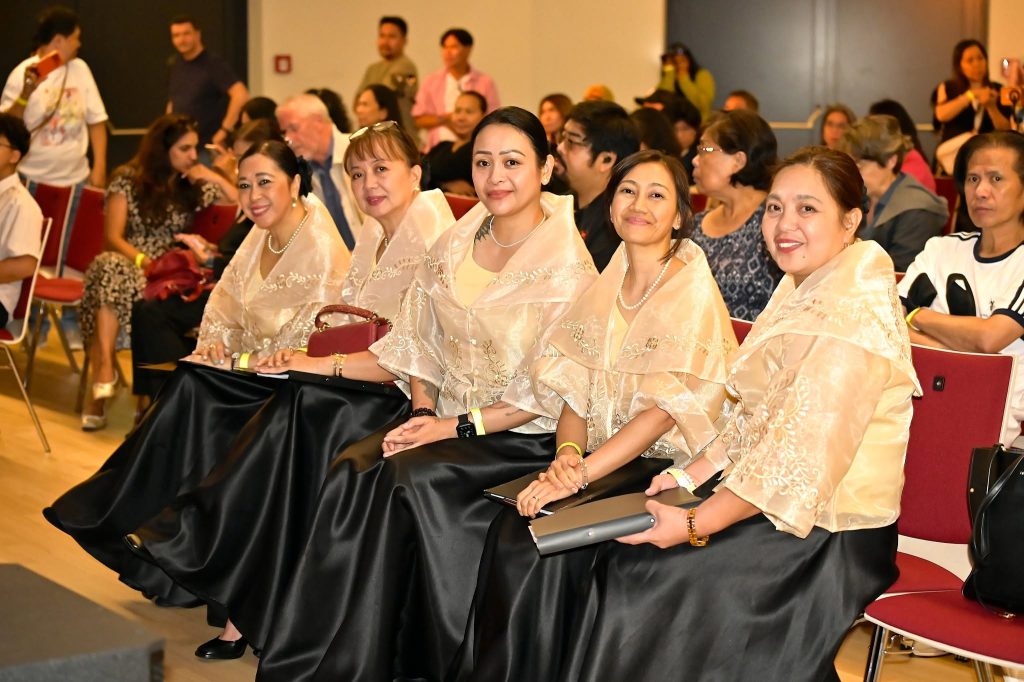
The formal program culminated in an evening of messages, performances, and recognition. Remarks from community leaders—including Arlene Castañeda and Her Excellency Ambassador Evangelina Lourdes A. Bernas—highlighted the strength and resilience of the Filipino community in Austria.
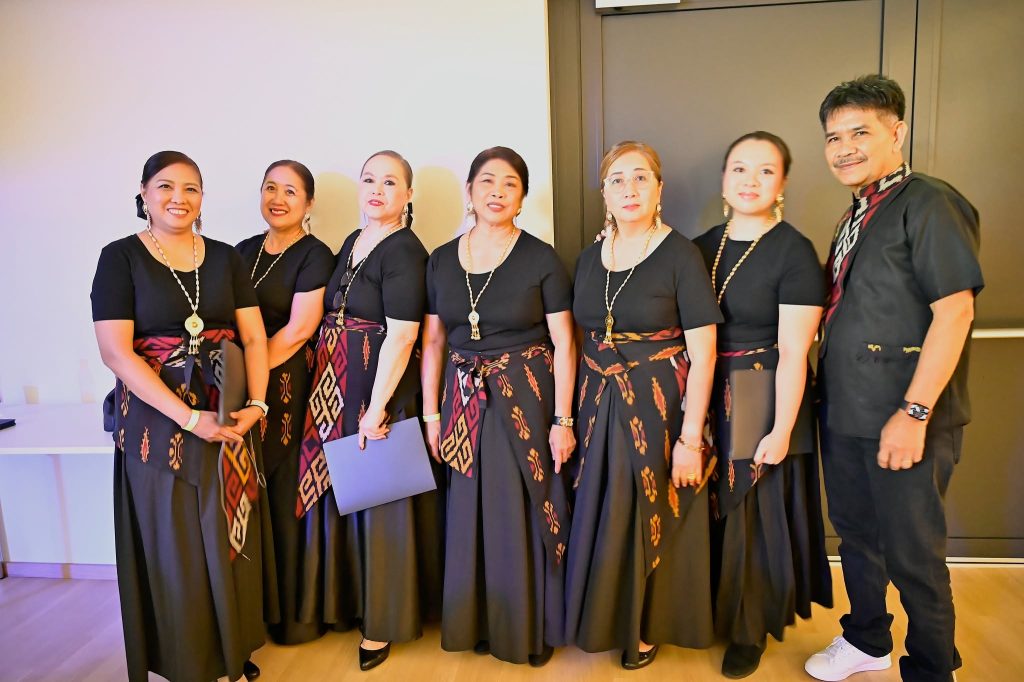
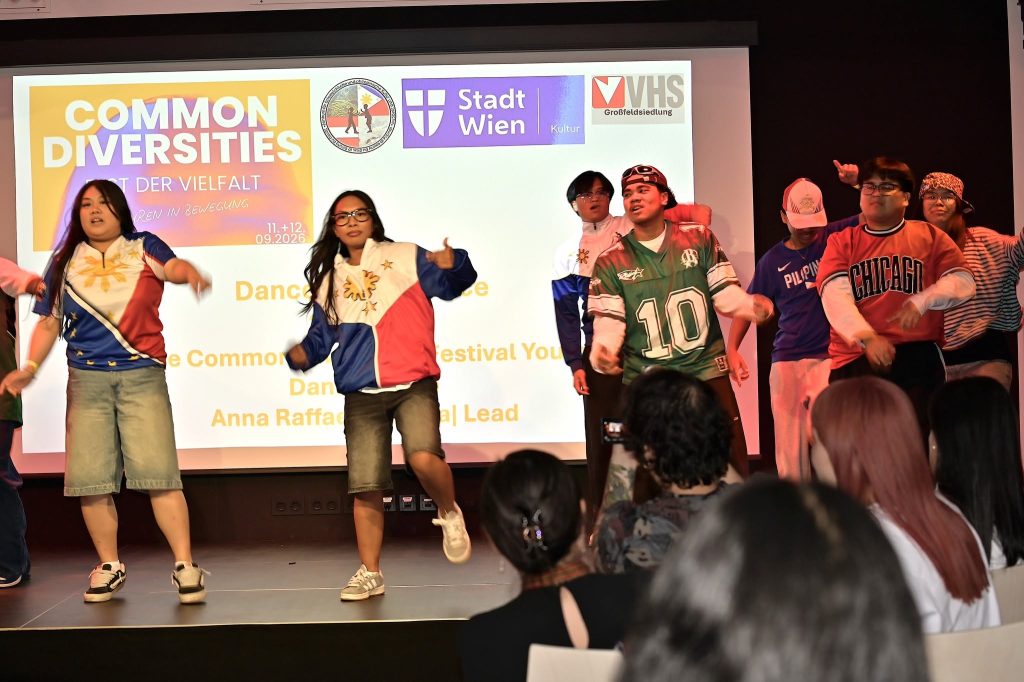
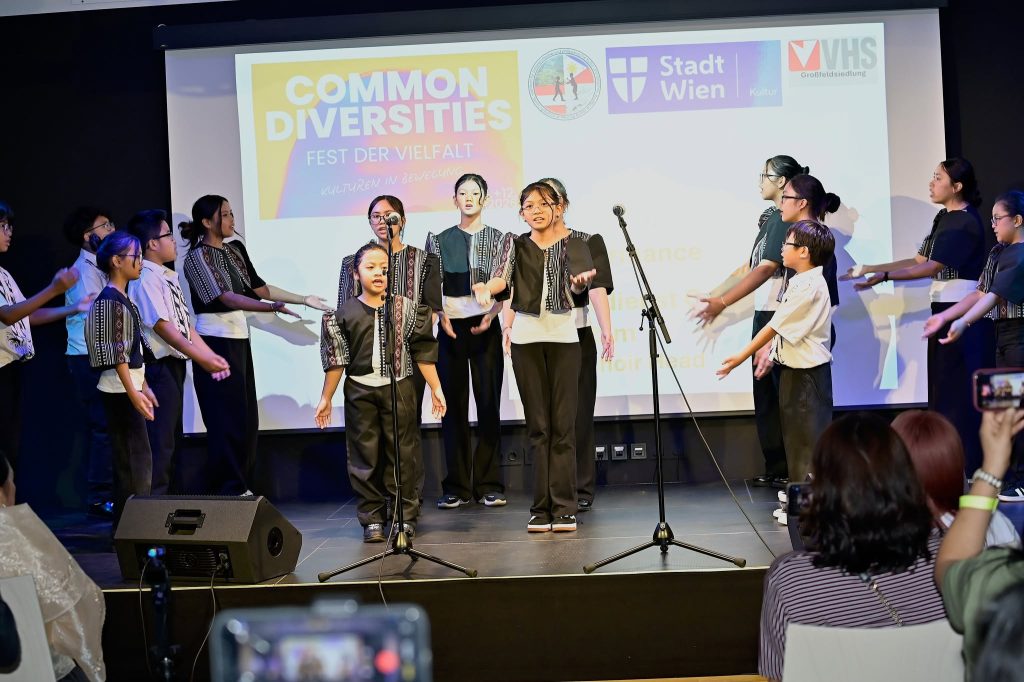
The celebration was enriched by powerful musical and artistic contributions from the SangHimig Choristers, the Philippinische Gottesdienst Gemeinde Cherubim, the Our Lady of Sorrows Singers, and the youth dance group 2swaggy (led by Raffi). The successful weekend concluded on a high note with an energetic concert and karaoke session headlined by Nancy „Rock Diva“ Agbon, leaving participants energized, connected, and deeply rooted in shared purpose.
- Hector Pascua/pictures: Emigdio Nava


This post has already been read 1829 times!