 0
0
 0
0
El Niño is coming—and with remarkable certainty.
According to the U.S. National Oceanic and Atmospheric Administration (NOAA), the likelihood that the warm phase of the ENSO cycle will persist into the winter of 2026/27 now stands at 96 percent. For climate researchers, that number is unusually high. For societies around the world, it is a warning signal.
A Climate Giant Awakens
El Niño is one of the most powerful natural climate oscillations on Earth. It begins in the tropical Pacific, where the balance between wind, ocean temperatures, and atmospheric circulation shifts. What sounds like a distant oceanic quirk can reshape weather patterns across continents.
- Drought and heat in Australia, southern Africa, and South Asia
- Heavy rainfall and flooding in parts of the Americas and Southeast Asia
- Altered storm activity across the Pacific basin
When the eastern Pacific warms, heat flows from the ocean into the atmosphere—nudging global weather systems out of their usual rhythm.
Warm Water, Global Consequences
ENSO—the El Niño Southern Oscillation—has three phases:
- El Niño (warm)
- La Niña (cool)
- Neutral conditions
During El Niño, warm surface water spreads eastward across the Pacific. The usual upwelling of cold, nutrient-rich deep water weakens. Rainfall patterns shift. Regions accustomed to monsoon rains may suddenly dry out; others face torrential downpours.
As Marc Olefs, head of Climate Impact Research at GeoSphere Austria, puts it:
“The signals clearly point to El Niño.”
NOAA still classifies the Pacific as ENSO-neutral—but the agency has already issued an El Niño Watch. The probability for May–July 2026 is 82 percent, rising to 96 percent for December 2026–February 2027.
Climate Change: The Underlying Trend
El Niño can temporarily boost global temperatures. La Niña can briefly dampen them. But neither alters the long-term trajectory.
Olefs emphasizes:
“Even if we connect all the cooler La Niña years of recent decades, the long-term warming is unmistakable.”
In other words:
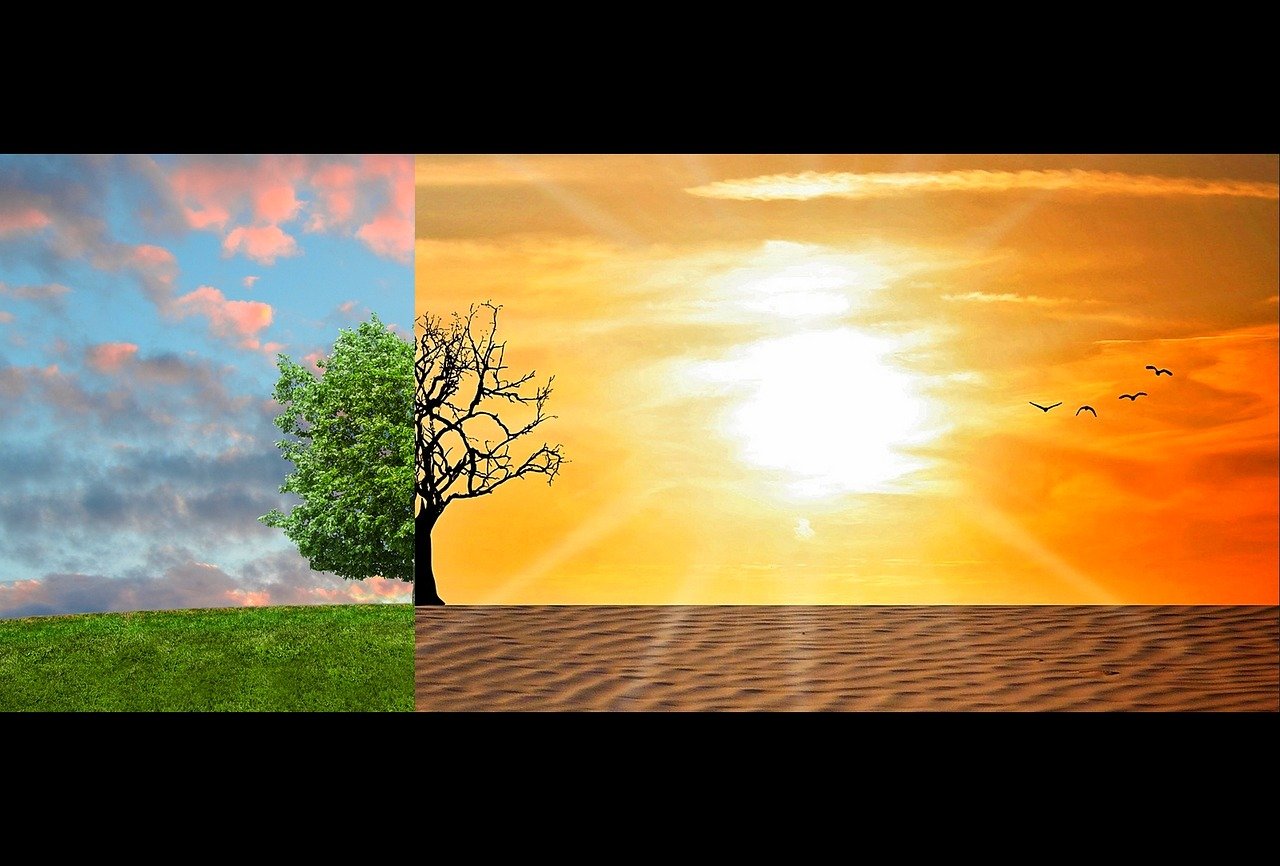
Natural oscillations modulate the climate from year to year, but human-driven warming continues to push the baseline upward.
Austria: Not a Direct Switch, but Not Unaffected
For Austria and the Alpine region, El Niño is not a primary weather driver.
“El Niño is not a main regulator for weather in Austria,” Olefs explains. Local and regional factors dominate:
- Atlantic–European circulation patterns
- Seasonal weather systems
- The overarching influence of climate change
Still, global shifts can ripple into Europe indirectly—through altered jet streams, changed storm tracks, or temperature anomalies.
Strong El Niño Possible—But No “Super” Label Yet
A strong El Niño is more likely than usual, but experts warn against premature labels like “historic” or “super El Niño.”
The decisive factor will be how strongly the ocean and atmosphere couple over the coming summer and autumn.
What is clear:
The world is entering a period of heightened climate sensitivity—where natural variability and human-caused warming can amplify each other.
What to Watch Next
- Pacific sea-surface temperatures
- Atmospheric coupling indicators
- Rainfall anomalies in key regions
- Global temperature records
The next few months will determine how forcefully El Niño shapes the world’s weather in 2026 and 2027.
- source: vienna.at/picture: pixabay.com



This post has already been read 13725 times!