 0
0
 0
0
Austria’s population grew only marginally at the start of 2026, rising to 9,215,956 residents, according to final figures released by Statistik Austria. The increase of 18,743 people — a growth rate of 0.2% — marks one of the weakest demographic expansions in recent years. The last time Austria recorded similarly low growth was in 2009, when the population rose by just 16,640 people.
Growth Continues to Slow
The latest figures confirm a clear trend: Austria’s population is expanding, but at a significantly slower pace than before. In 2024, the country added 38,463 people, twice as many as this year.
The reason for the slowdown is structural. As Manuela Lenk, the agency’s director of specialist statistics, explained, Austria’s population growth now depends entirely on international migration.
- 162,000 people moved to Austria from abroad in 2025
- 131,000 people left the country
This net migration remains positive, but natural population change continues to decline. For the sixth consecutive year, Austria recorded more deaths than births. In 2025, around 12,000 more people died than babies were born, deepening the demographic imbalance.
Vienna Drives National Growth
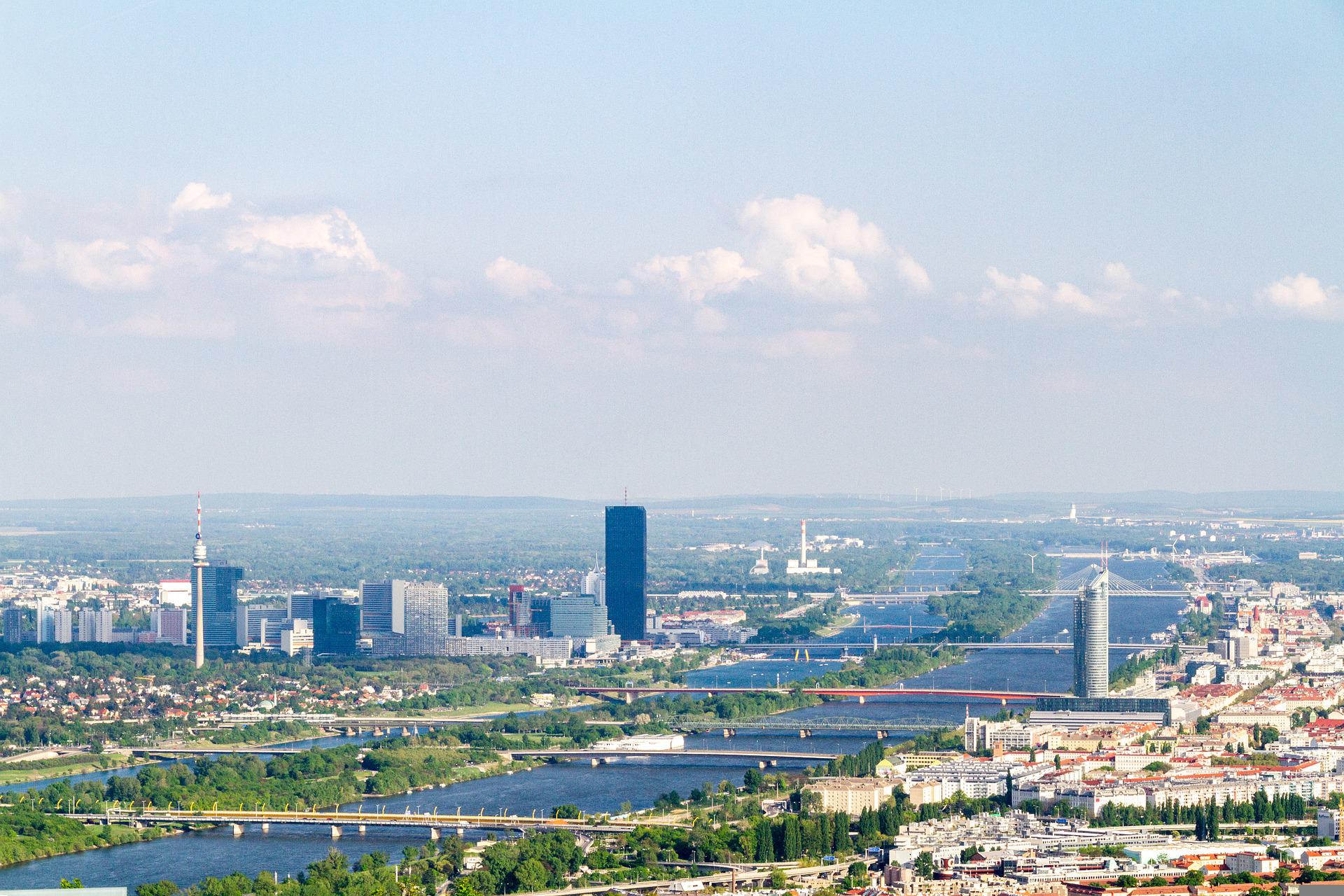
The capital once again proved to be Austria’s demographic powerhouse. Vienna’s population grew by 0.6%, adding 12,625 residents — accounting for two-thirds of the entire national increase.
At the start of the year, 2,040,914 people lived in Vienna, reinforcing its role as the country’s fastest‑growing and most dynamic region.
Where Else the Population Increased
Outside Vienna, growth was modest but positive in several federal states:
- Tirol: +0.2%
- Niederösterreich: +0.1%
- Oberösterreich: +0.1%
- Salzburg: +0.1%
- Vorarlberg: +0.1%
- Steiermark: minimal increase
These regions benefited from steady migration inflows and stable local demographics.
Where Numbers Declined
Two federal states saw slight population decreases:
- Burgenland
- Kärnten
Both recorded small negative balances, reflecting weaker migration inflows and aging populations.
Austria’s demographic picture is increasingly shaped by migration, urban concentration, and long-term declines in births. Vienna continues to attract newcomers, while several rural regions face stagnation or decline — a trend likely to influence future debates on regional development, labor markets, and social policy.
- source: kurier.at/picture: pixabay.com



This post has already been read 3677 times!